Fix a Leaky Kitchen Tap
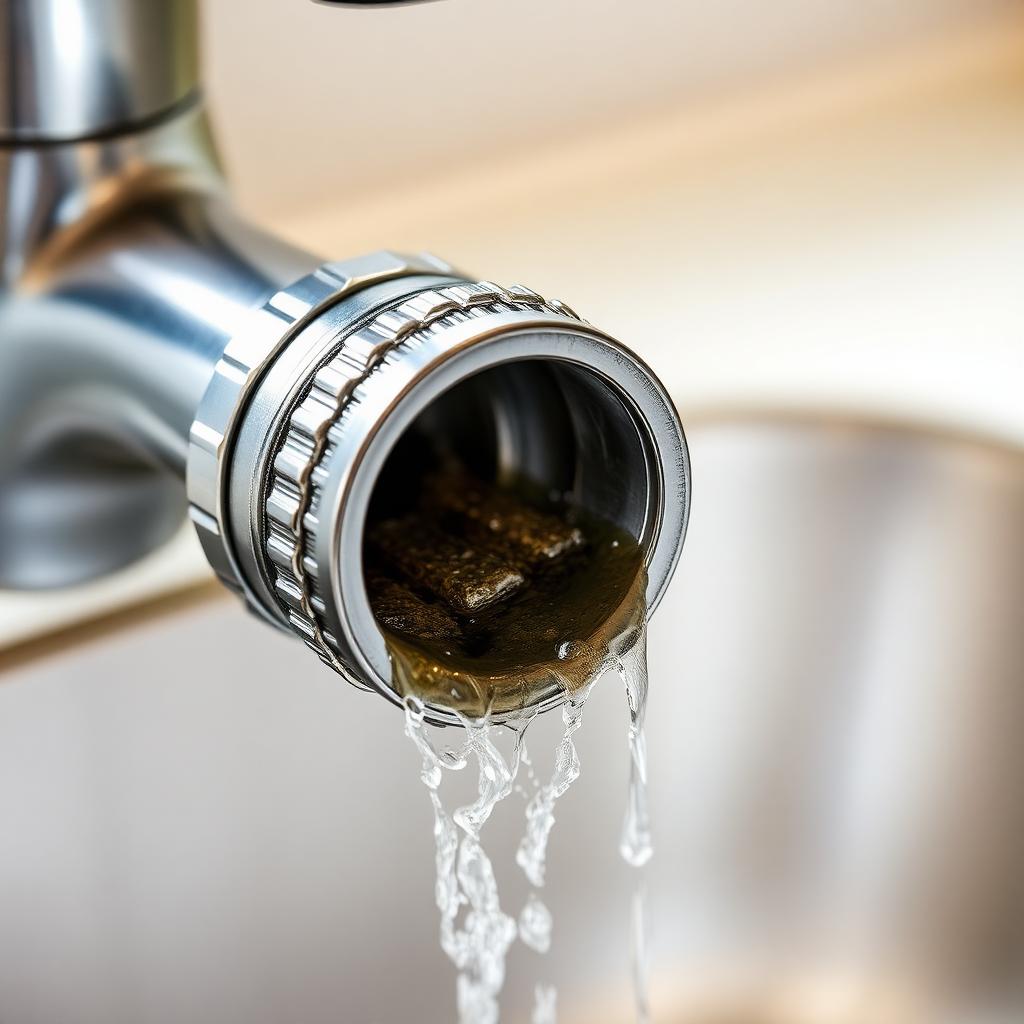
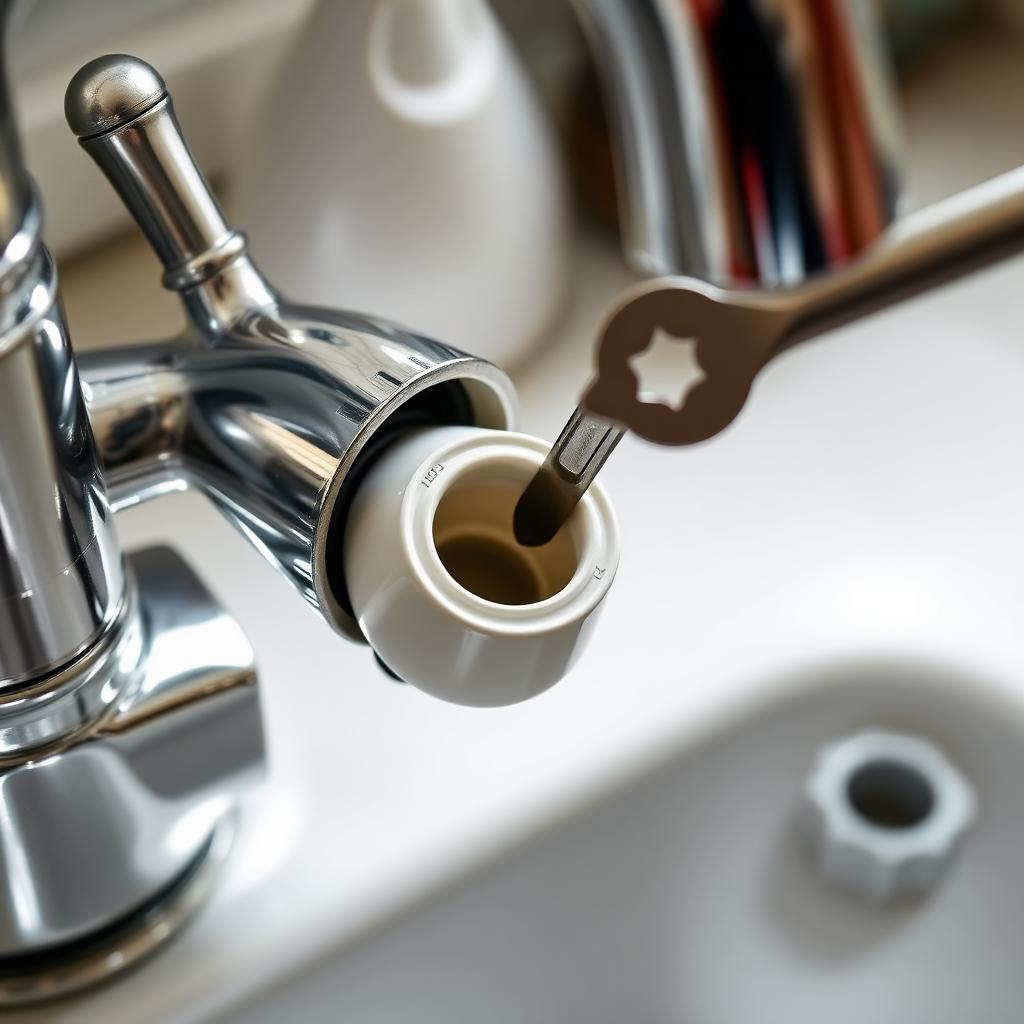
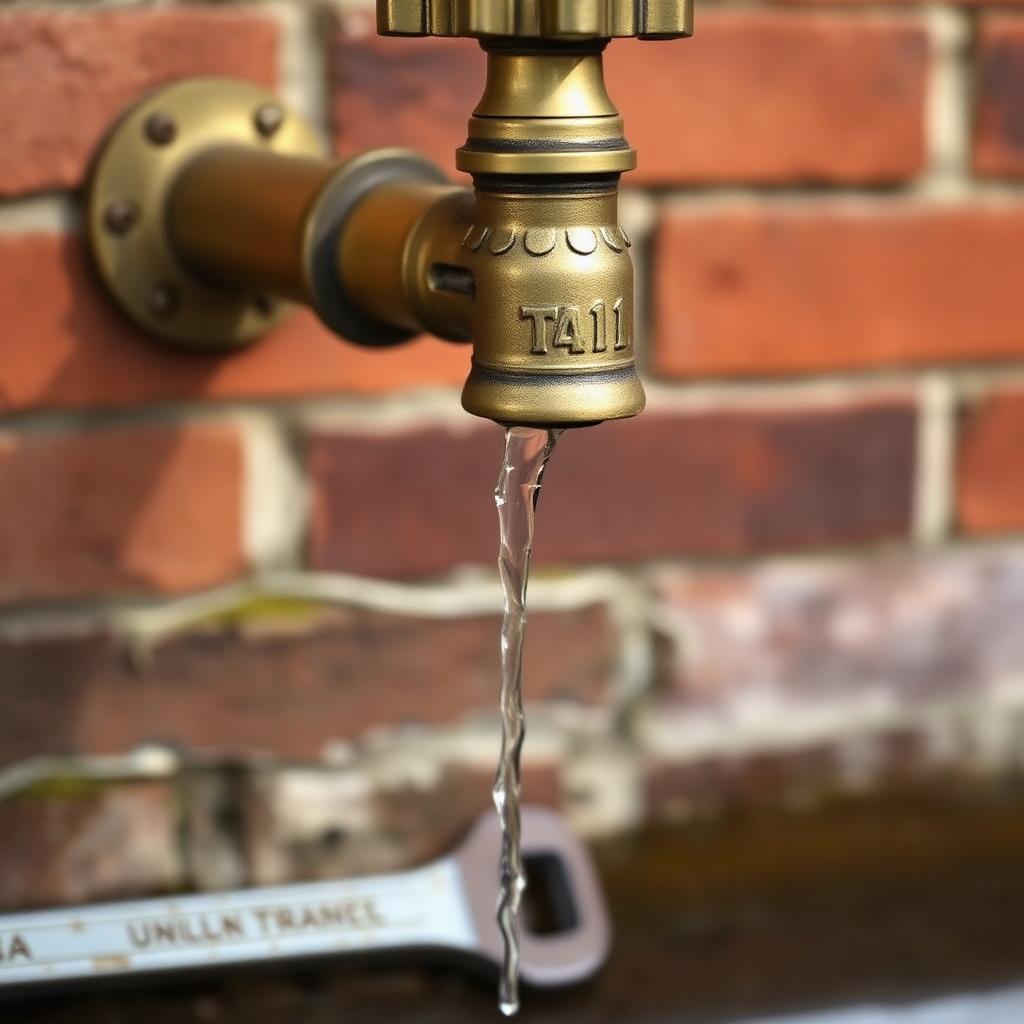
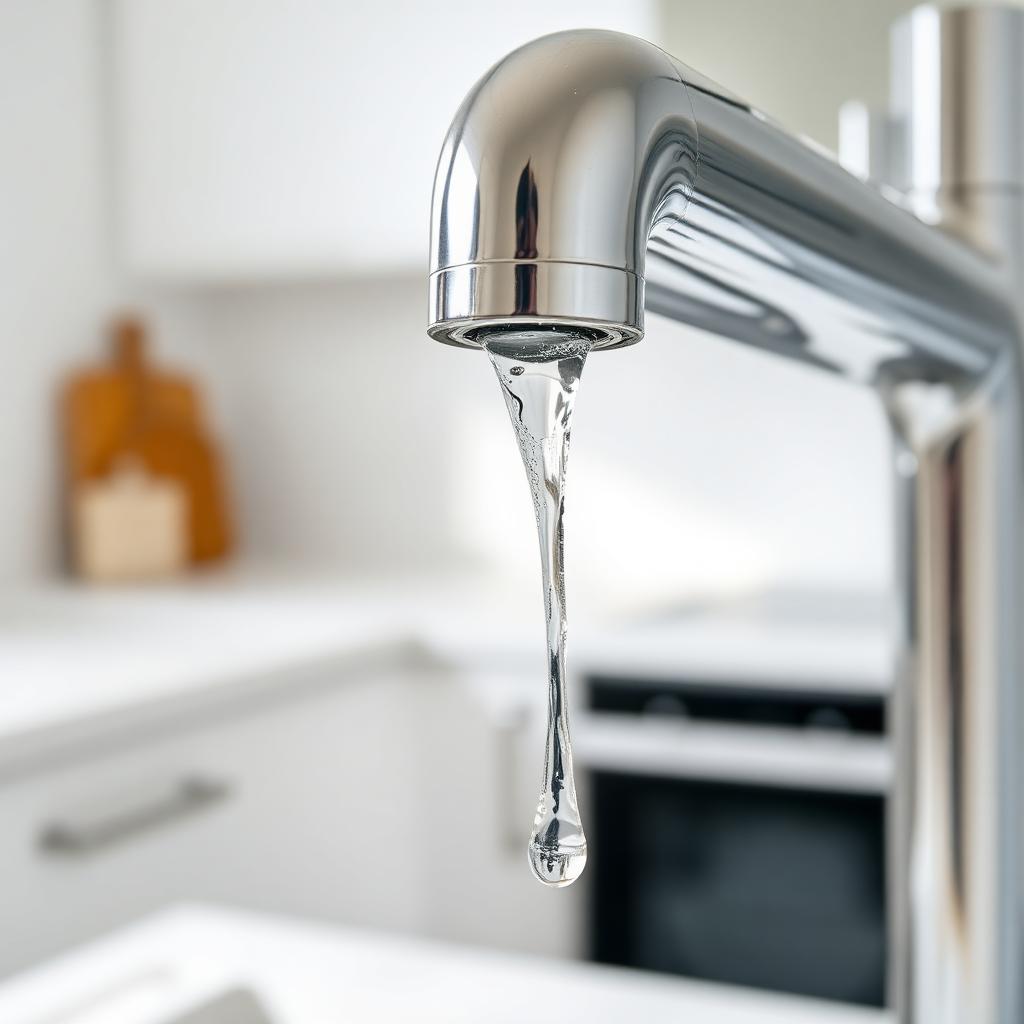
A dripping tap is almost always a worn washer or O-ring. Shut the water off at the isolation valve under the sink, dismantle the tap, and replace the rubber seals. A 10-minute job that can save thousands of litres a year.
20 step-by-step guides covering plumbing, electrical, doors, appliances and more — with tools, materials and DIY vs tradie costs.

A dripping tap is almost always a worn washer or O-ring. Shut the water off at the isolation valve under the sink, dismantle the tap, and replace the rubber seals. A 10-minute job that can save thousands of litres a year.

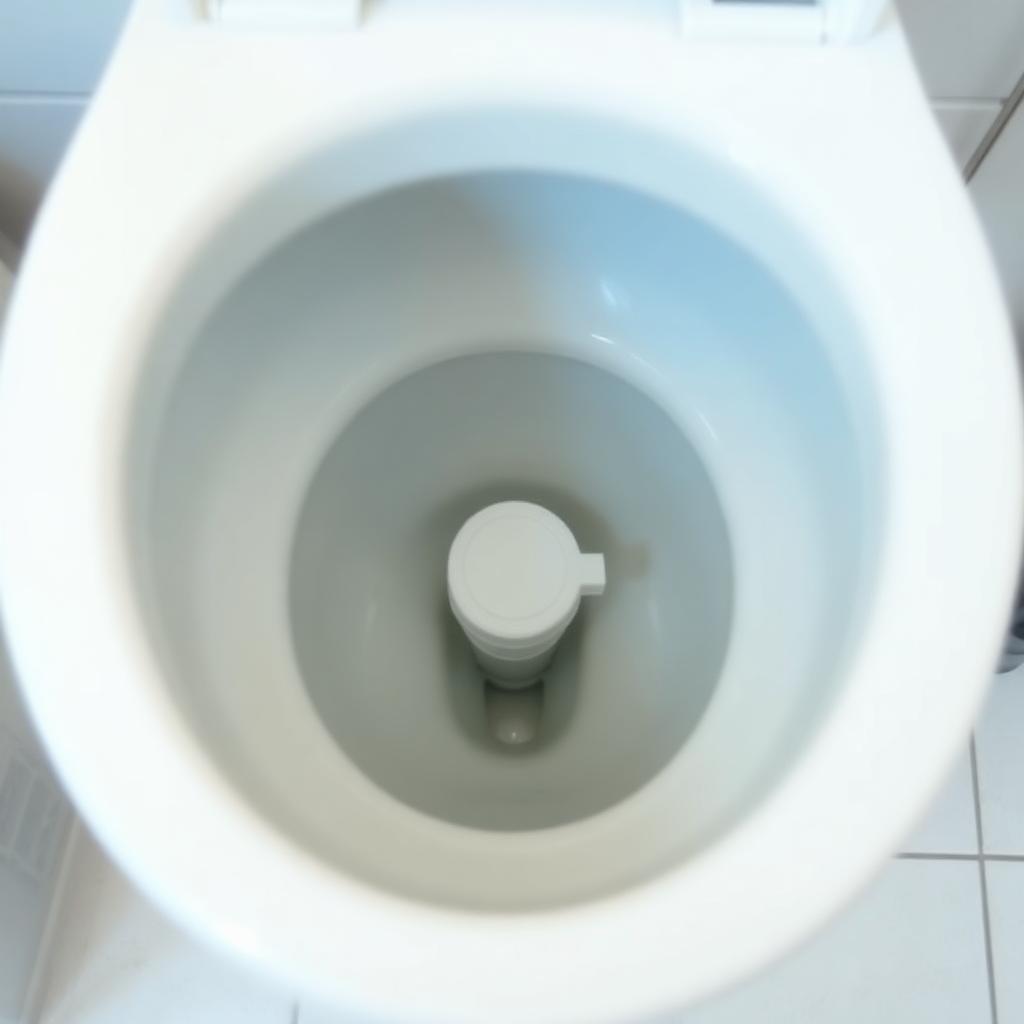
A toilet that runs constantly is wasting water and money. The culprit is usually the flapper valve or fill valve inside the cistern. Both are cheap, drop-in replacements available at any hardware store.

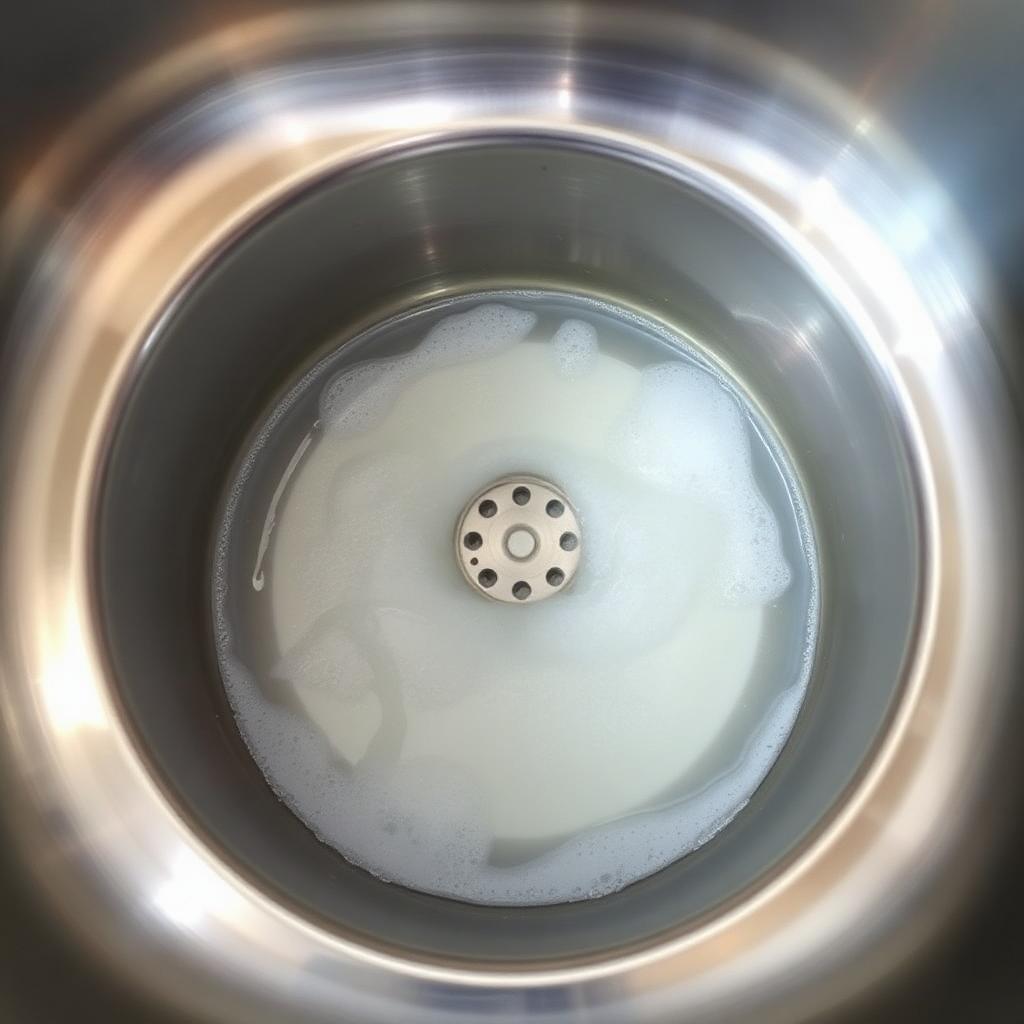
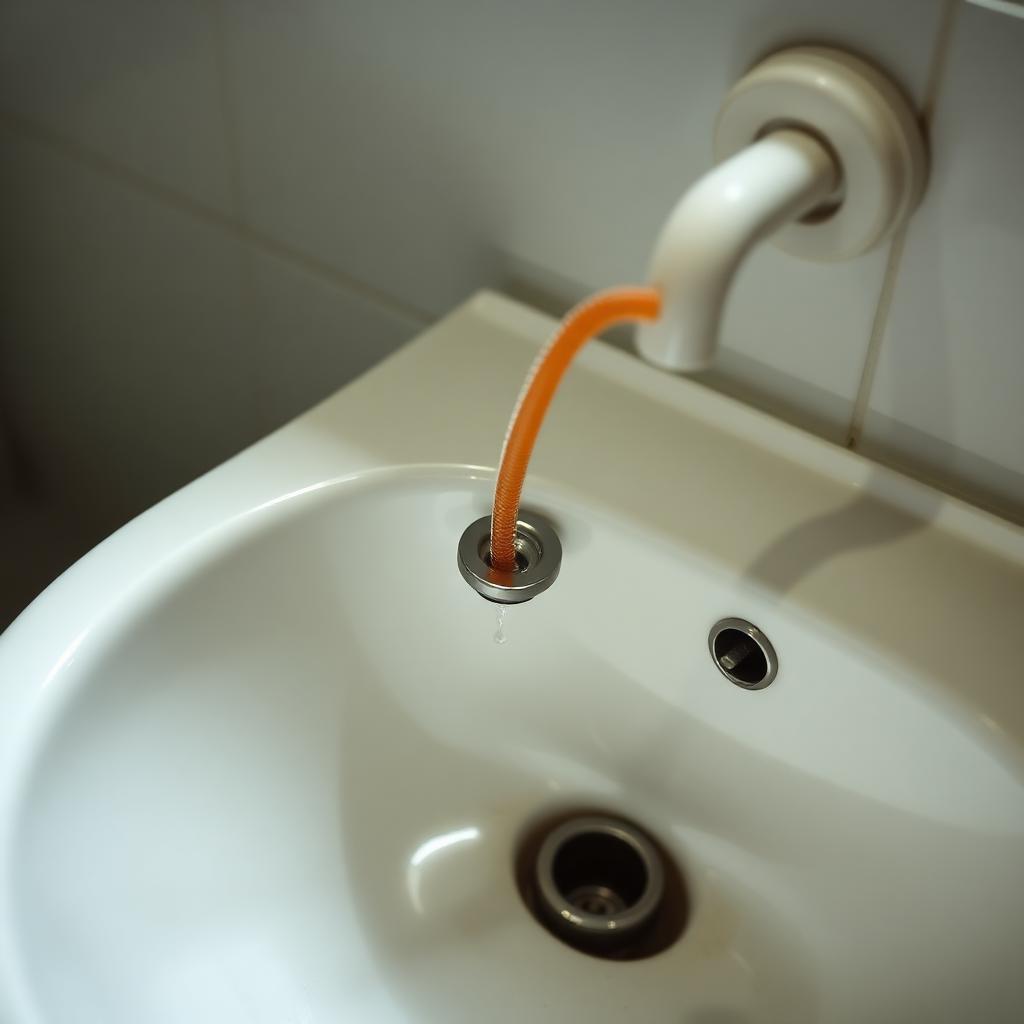
Slow-draining sinks are usually a hair and grease clog in the P-trap. Start with a plunger, then try a drain snake. Avoid caustic drain cleaners — they damage older pipework.

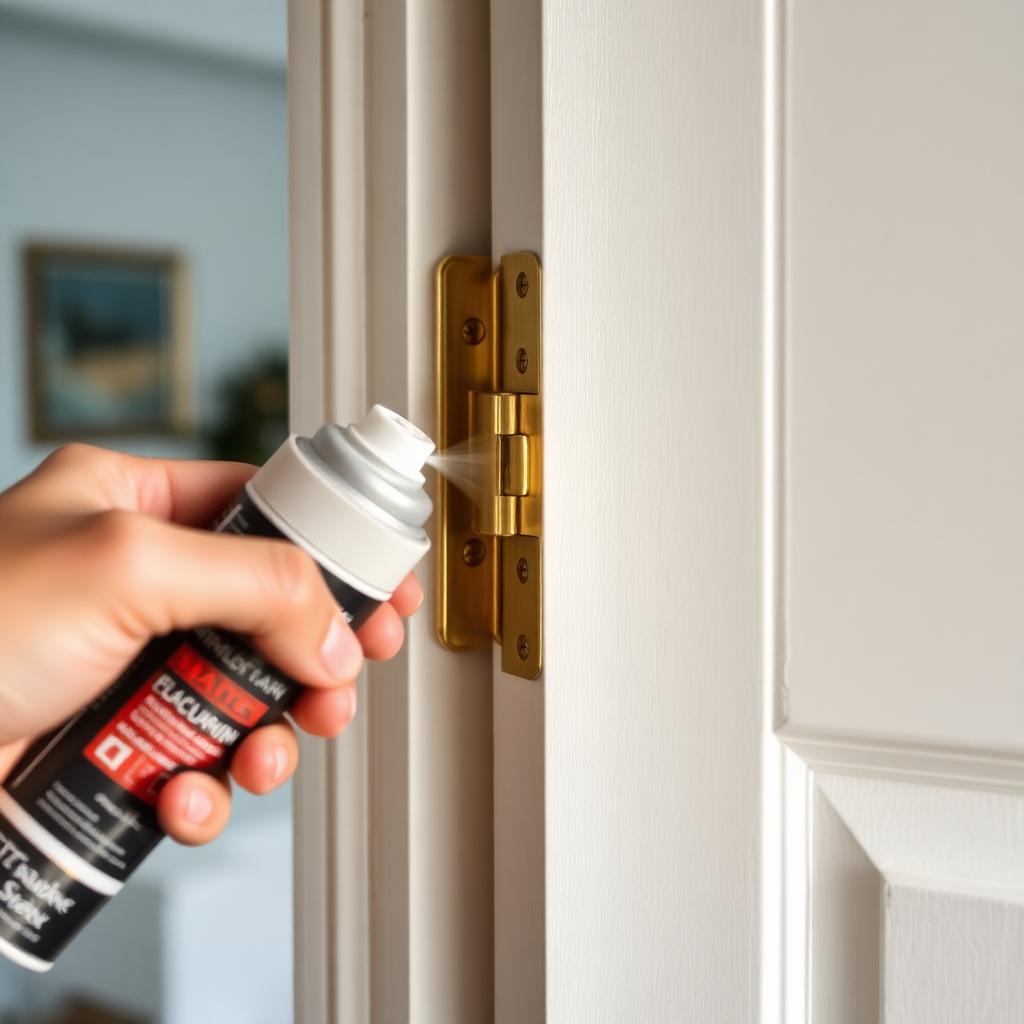
A squeak means dry metal-on-metal contact in the hinge. Lift each hinge pin, wipe it down, and apply a thin coat of lithium grease or silicone spray. WD-40 works short-term but evaporates.

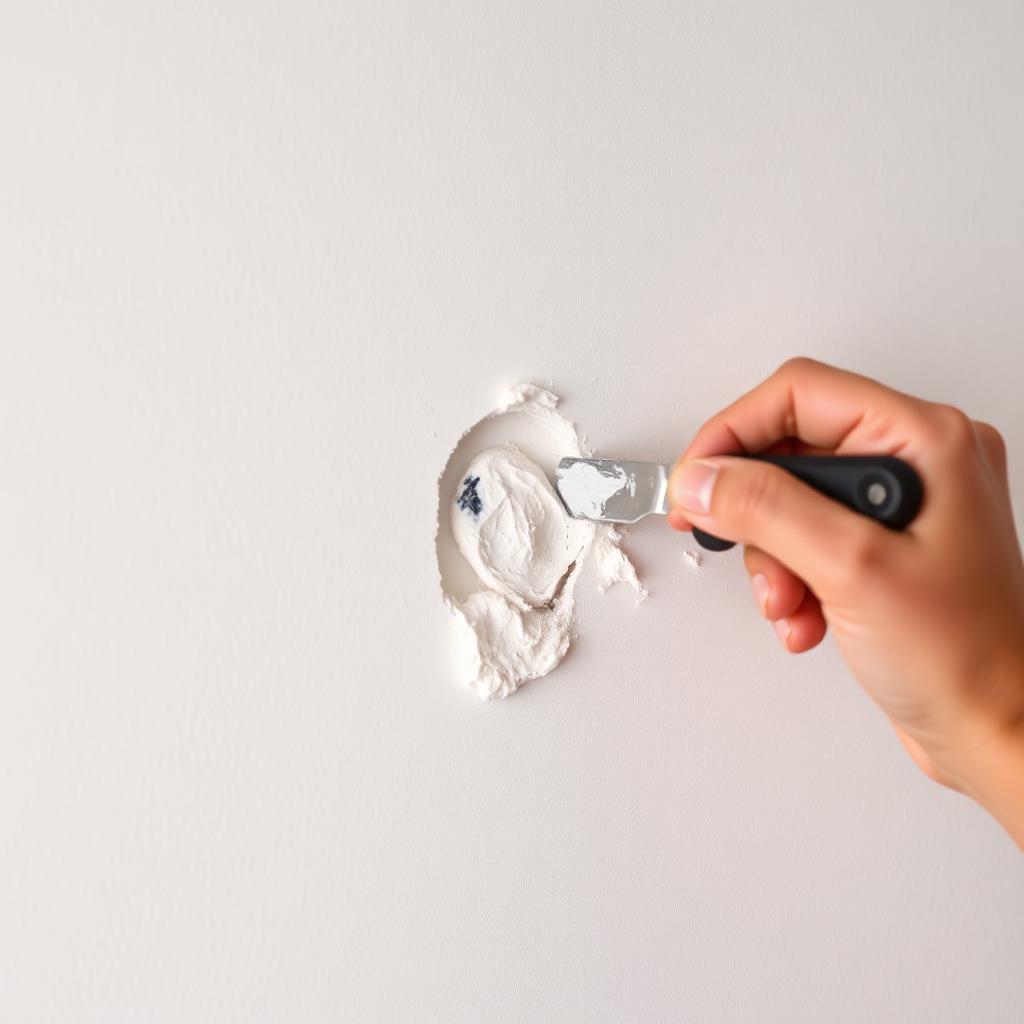
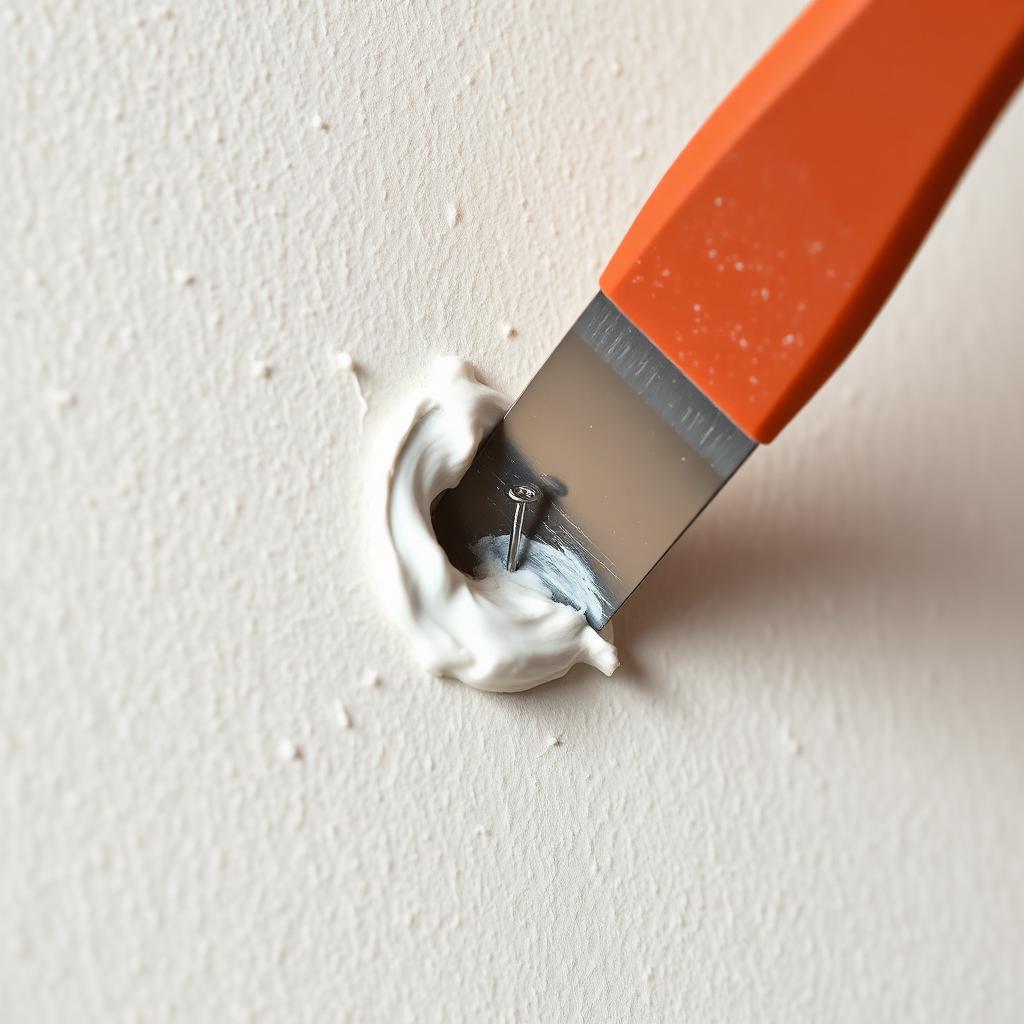
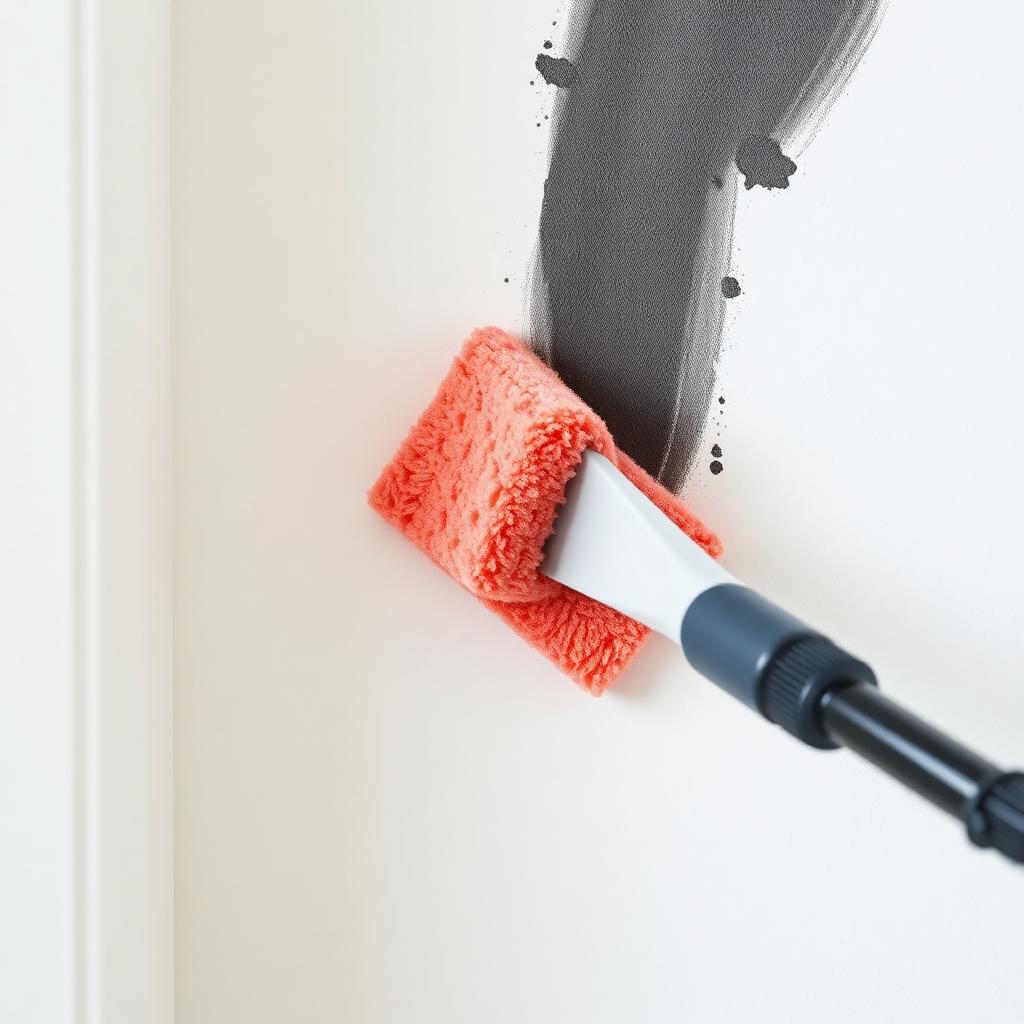
Small holes (under 50mm) take a self-adhesive mesh patch and two coats of joint compound. Larger holes need a plaster offcut backed by a wood batten. Sand smooth, prime, then paint.

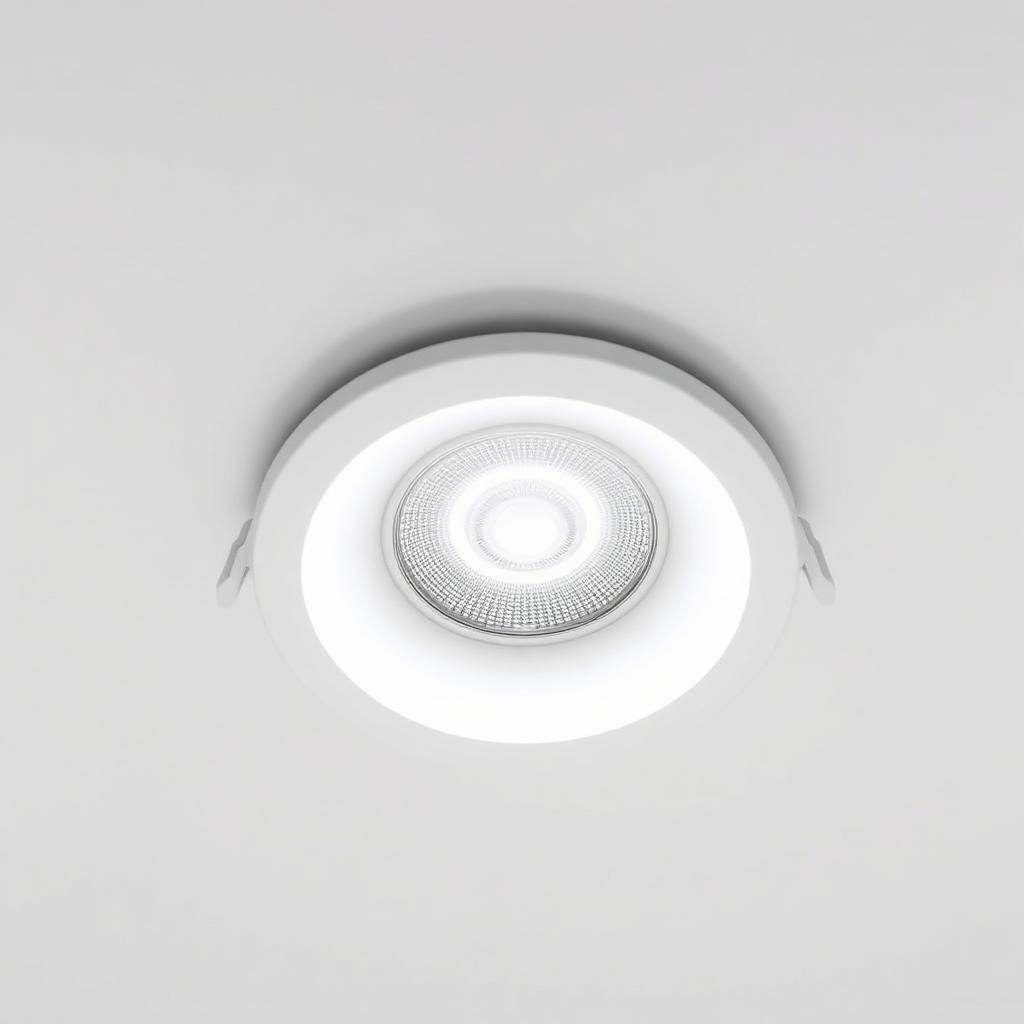
Swapping a ceiling light is straightforward, but in Australia all fixed wiring must be done by a licensed electrician. You can replace the globe and shade yourself, but rewiring the fitting is illegal DIY.

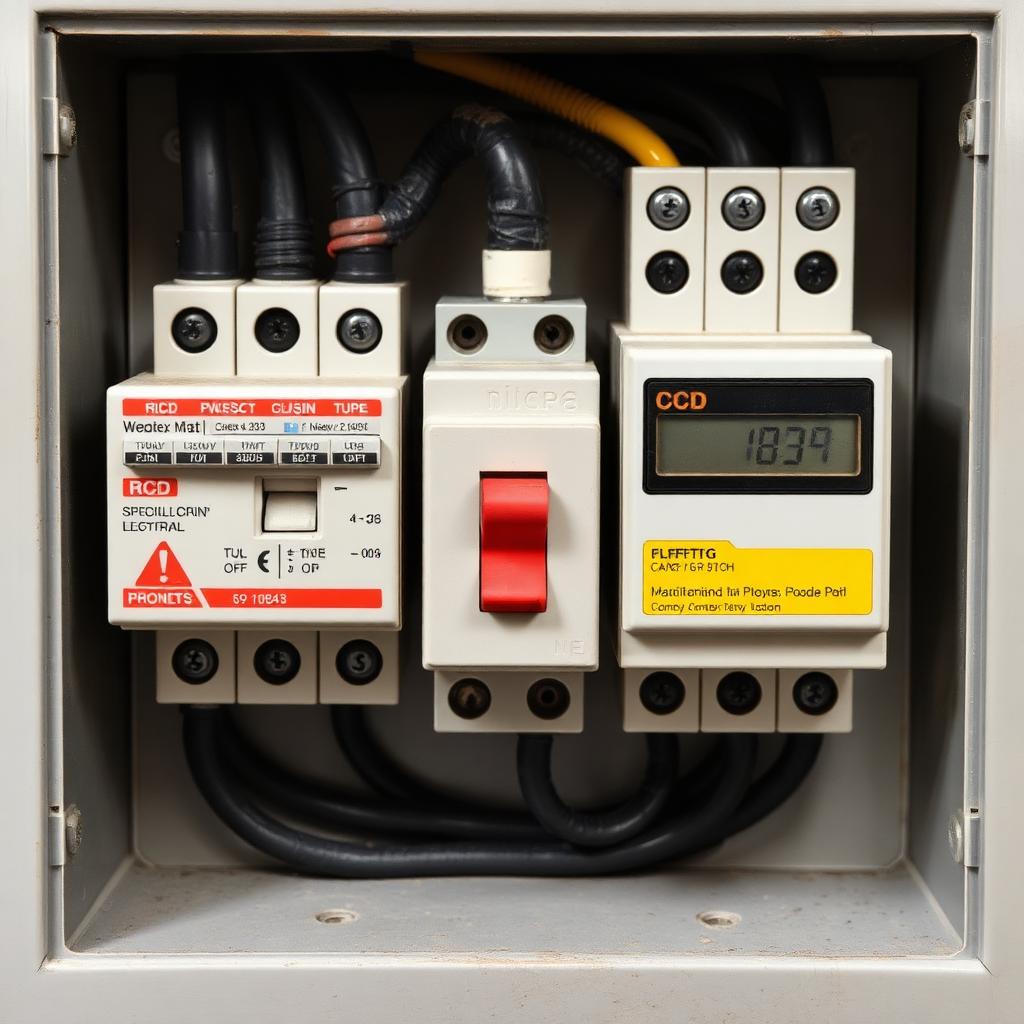
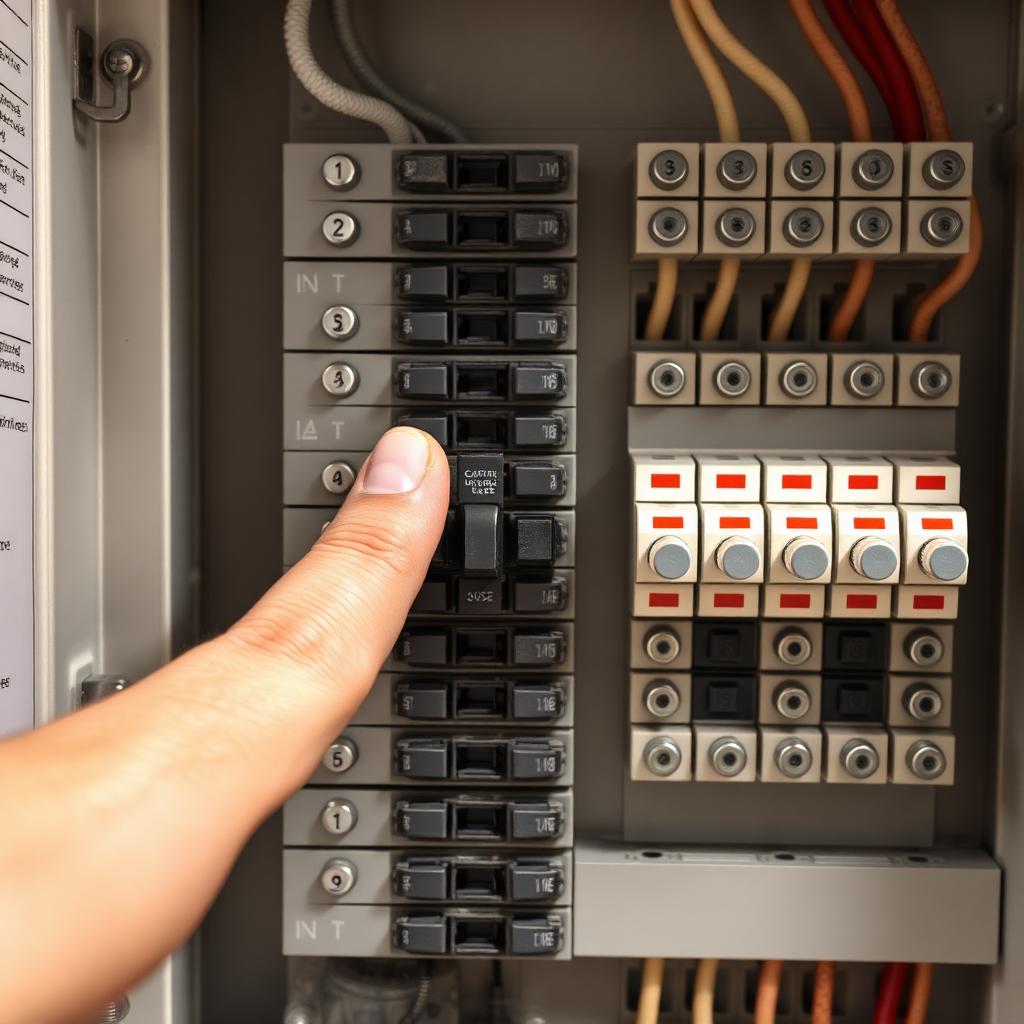
A tripped RCD usually means a faulty appliance. Unplug everything on the affected circuit, reset the switch, then plug items back in one at a time until it trips again — that's your culprit.

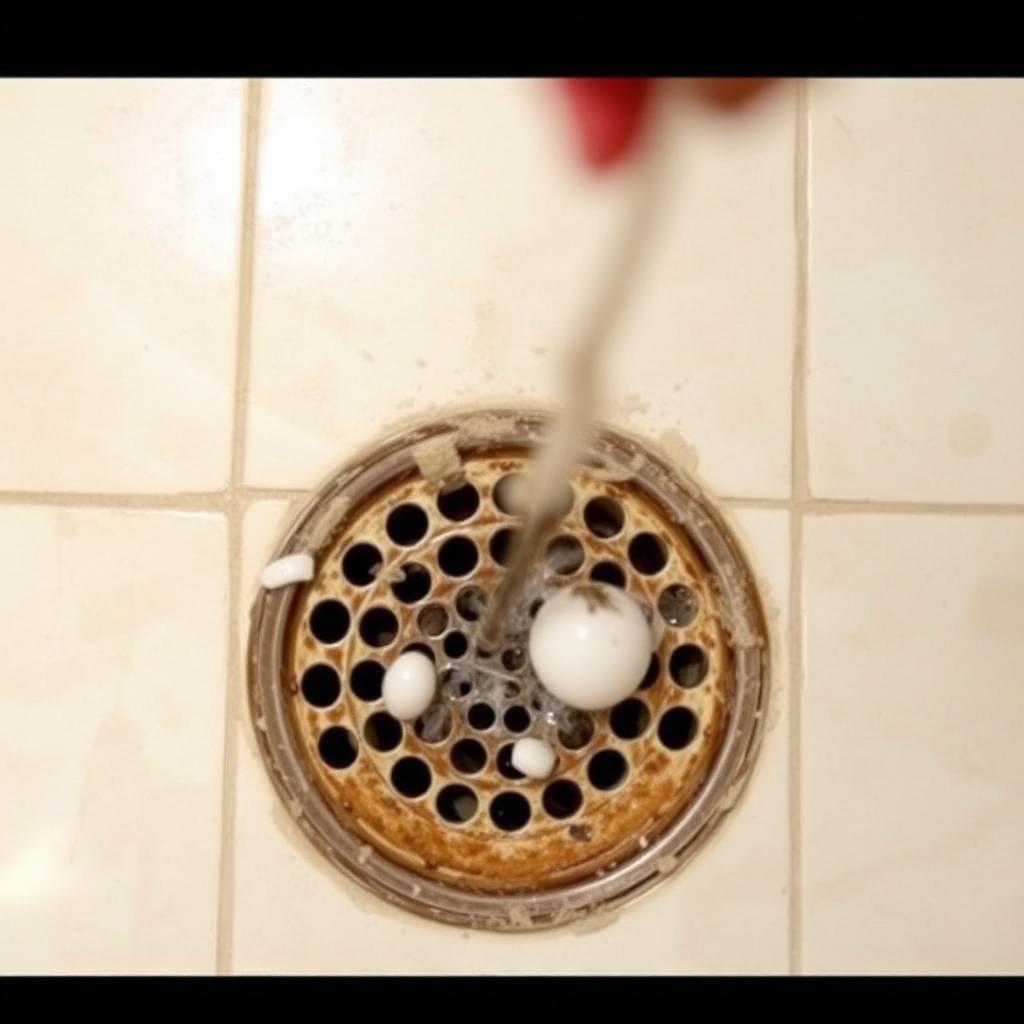
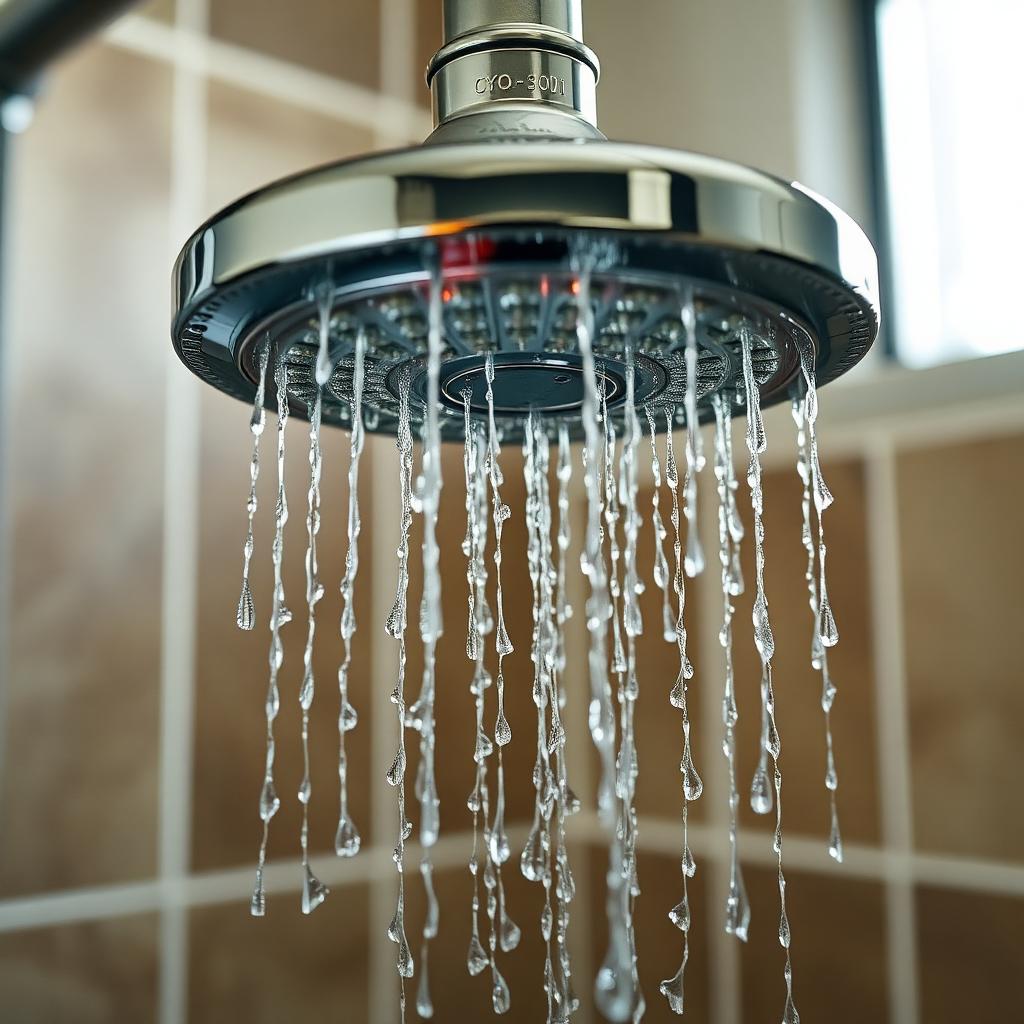
Shower drains clog with hair and soap scum. Lift the grate, pull out the visible gunk with needle-nose pliers or a hair-snake tool, then flush with hot water and bicarb.

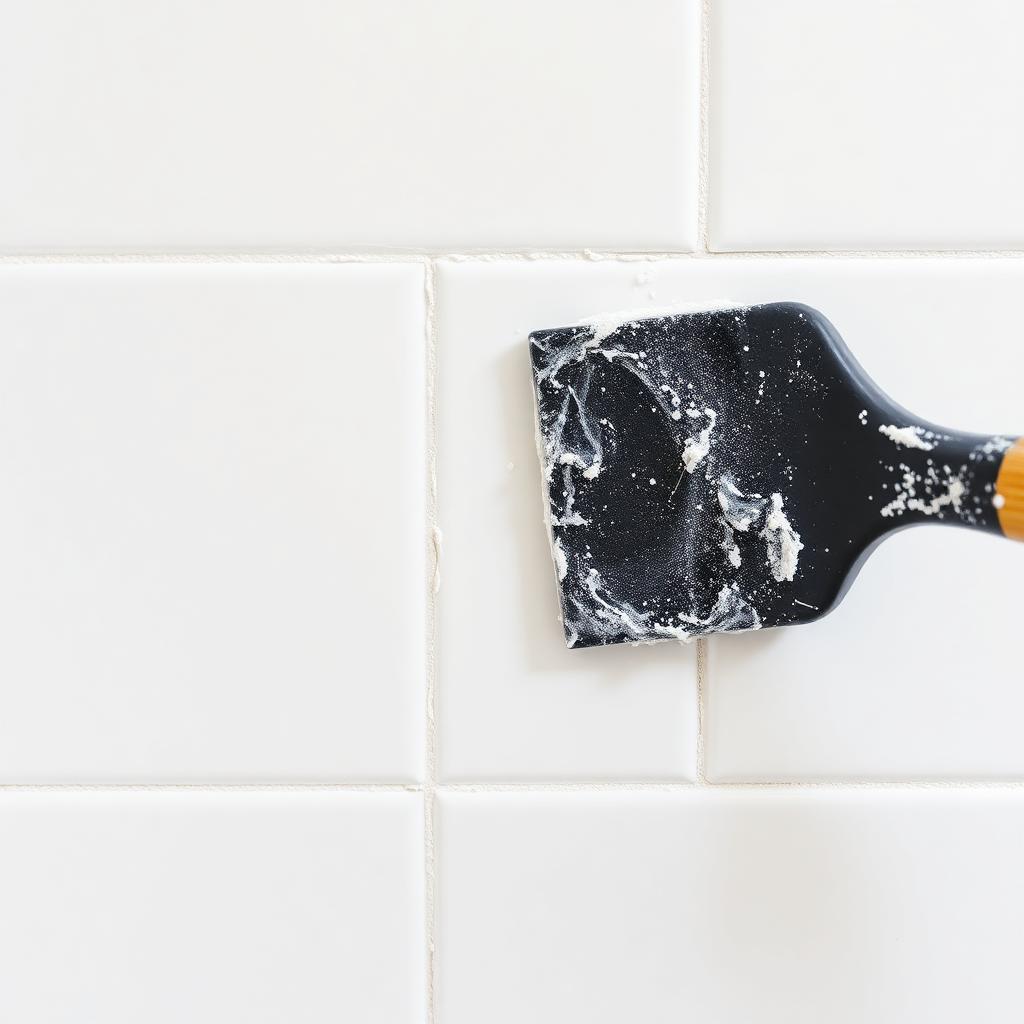
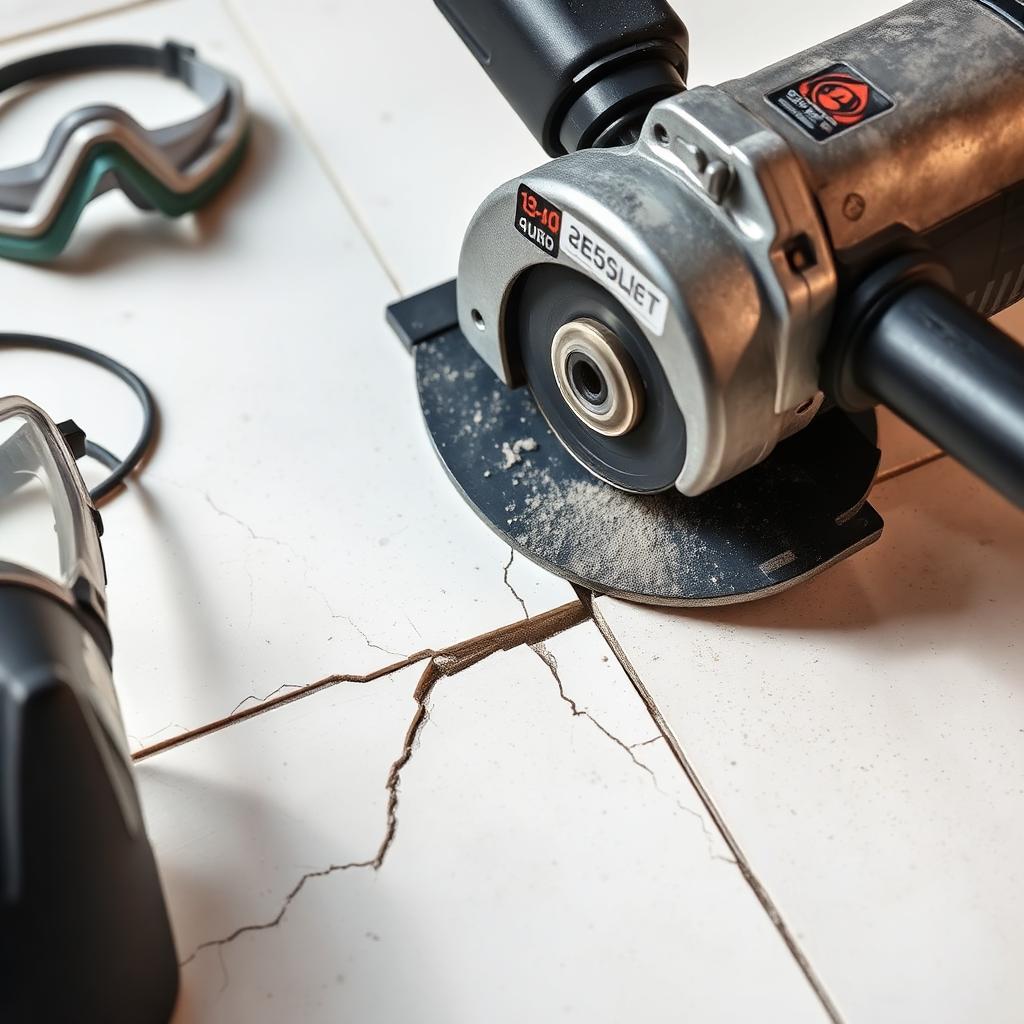
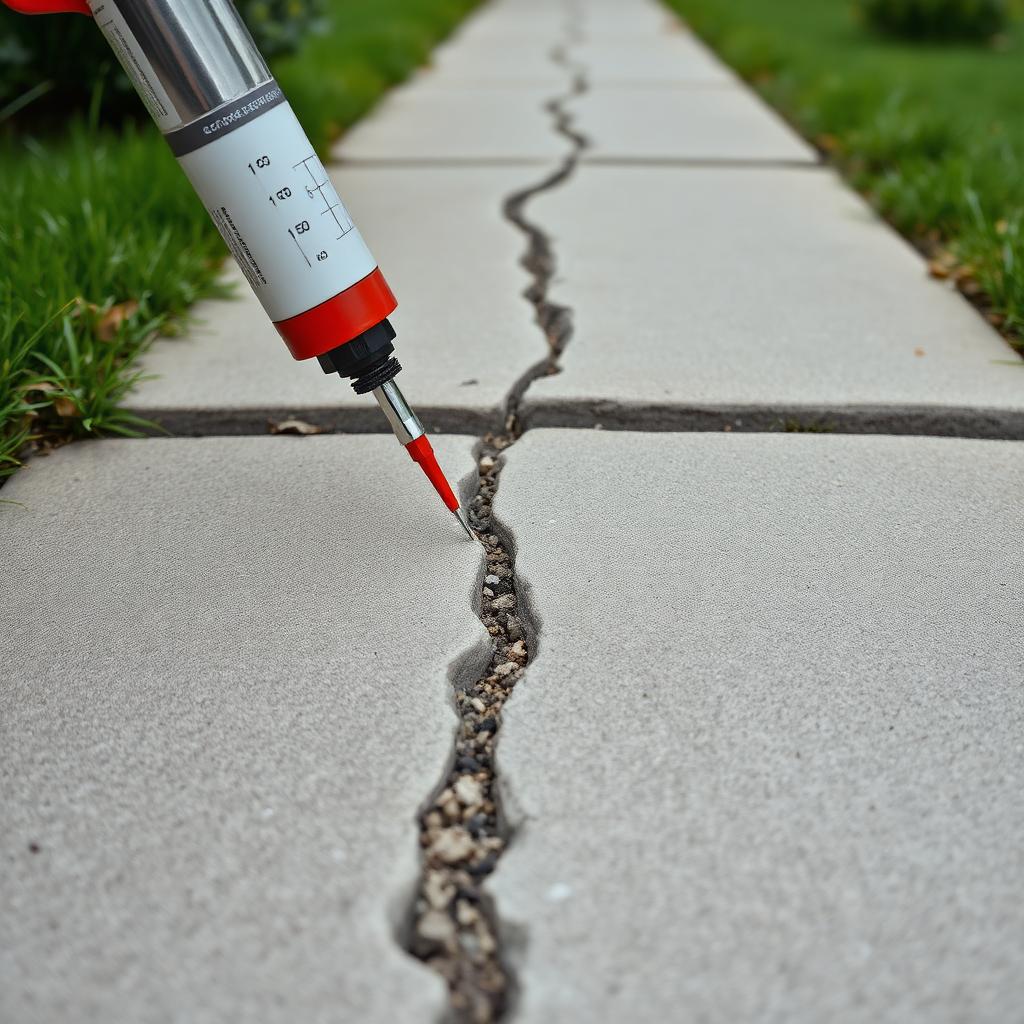
Cracked or mouldy grout lets water into the substrate. Rake out the old grout 2-3mm deep, vacuum the dust, mix new grout, and work it in diagonally with a rubber float. Wipe with a damp sponge before it sets.
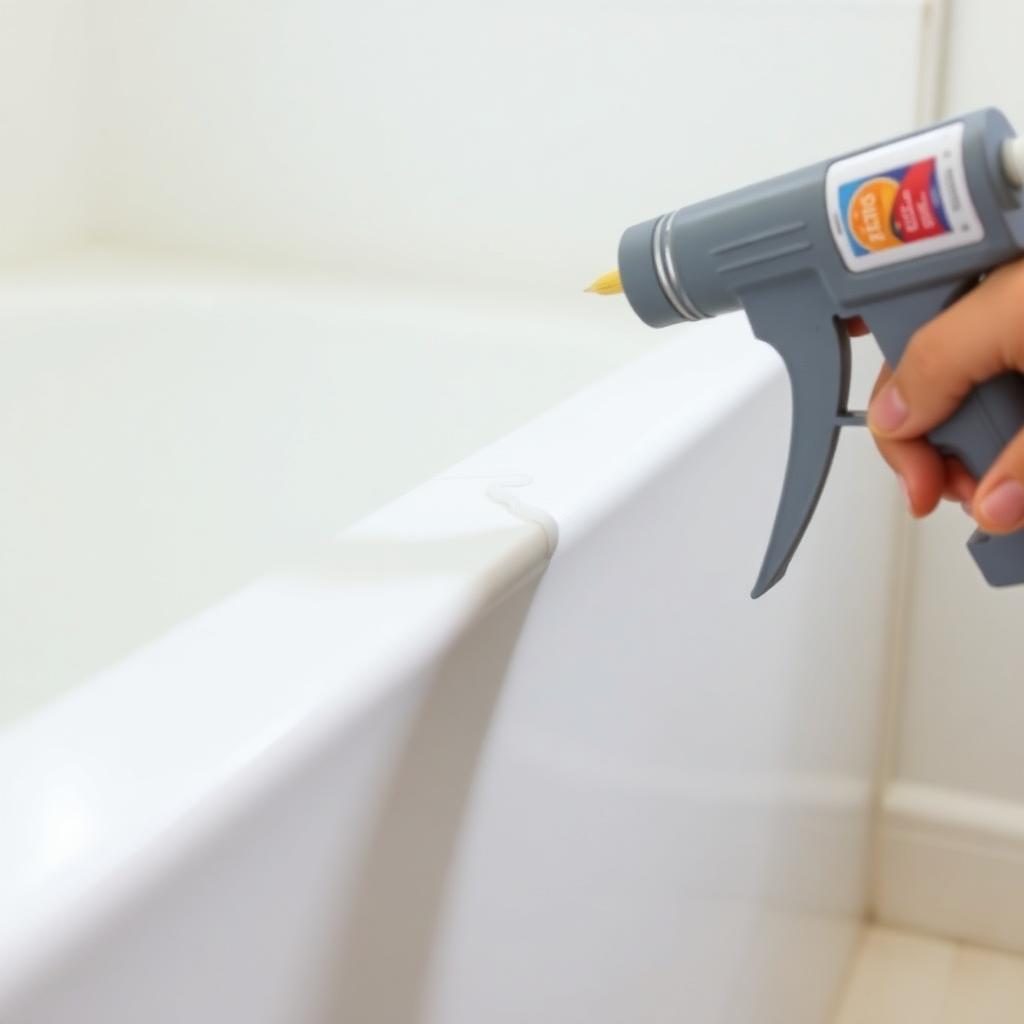
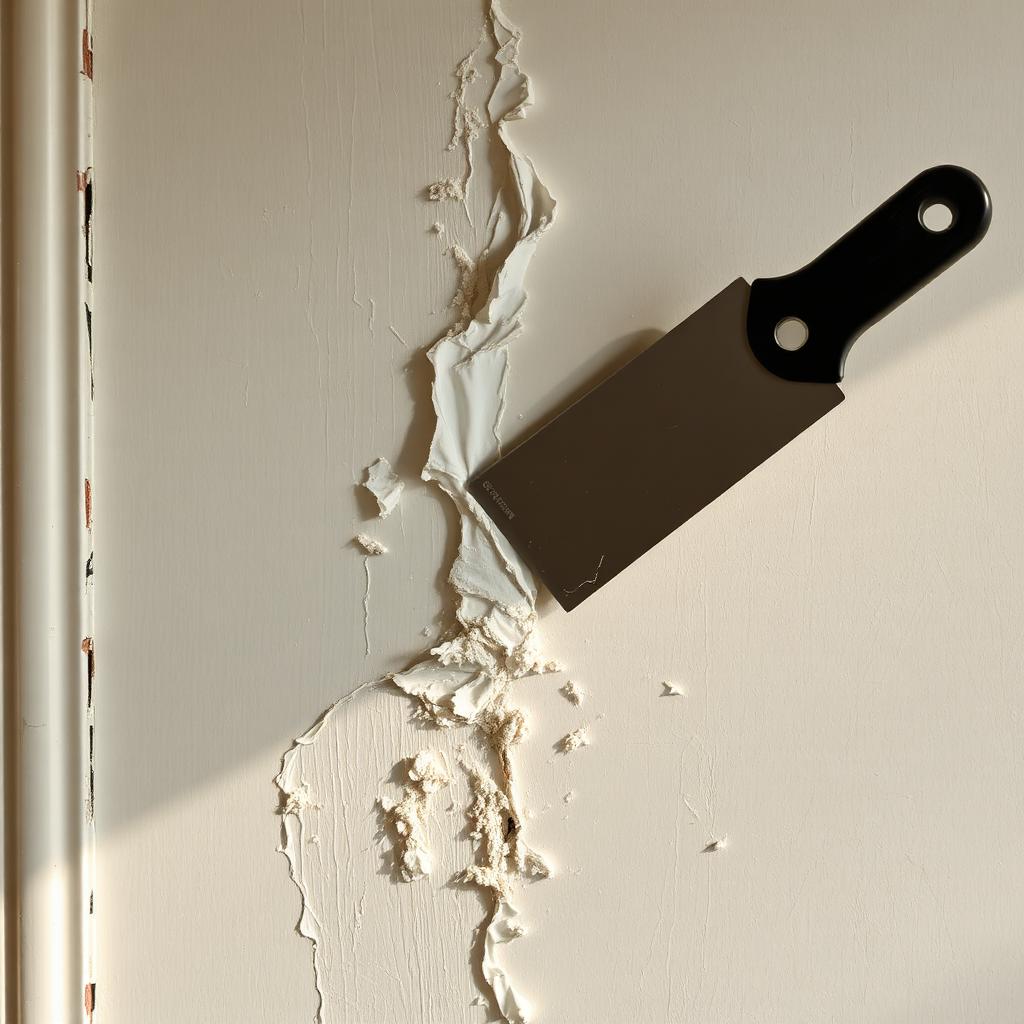
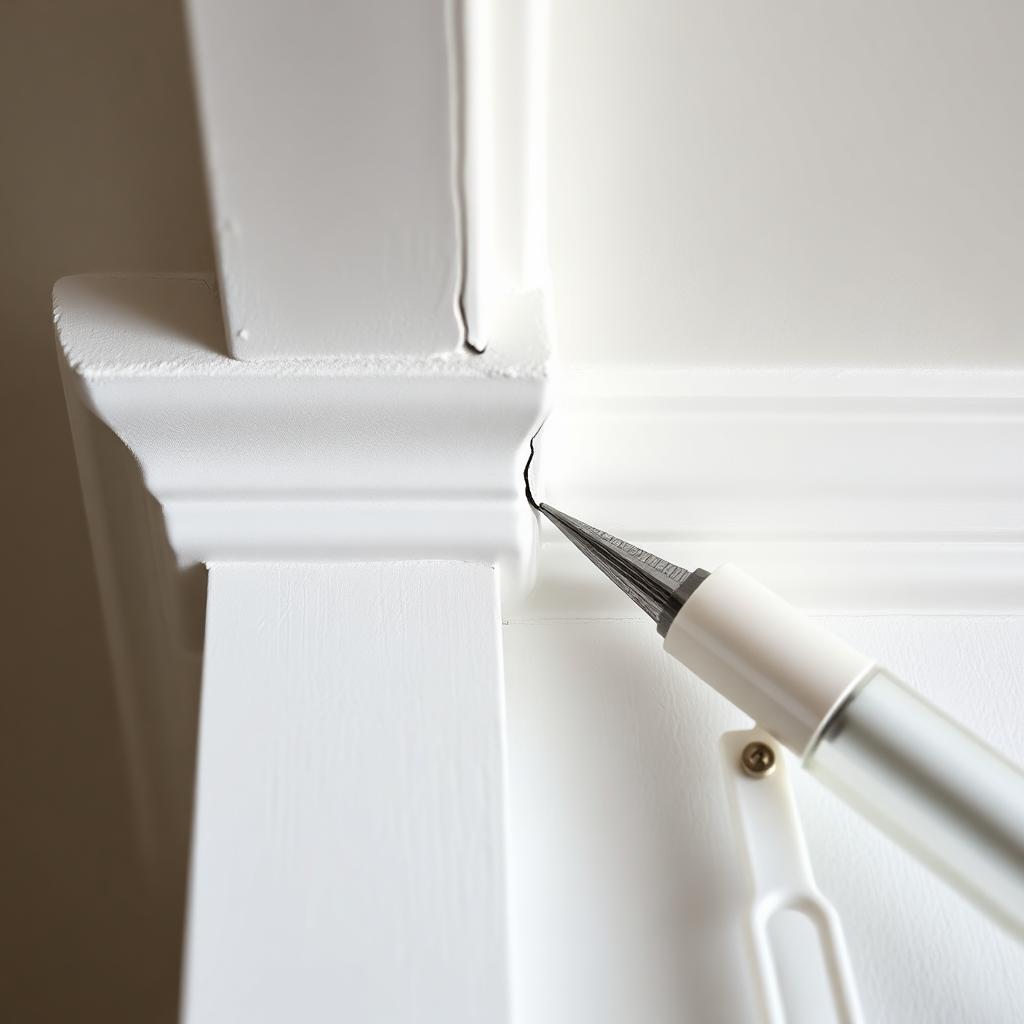
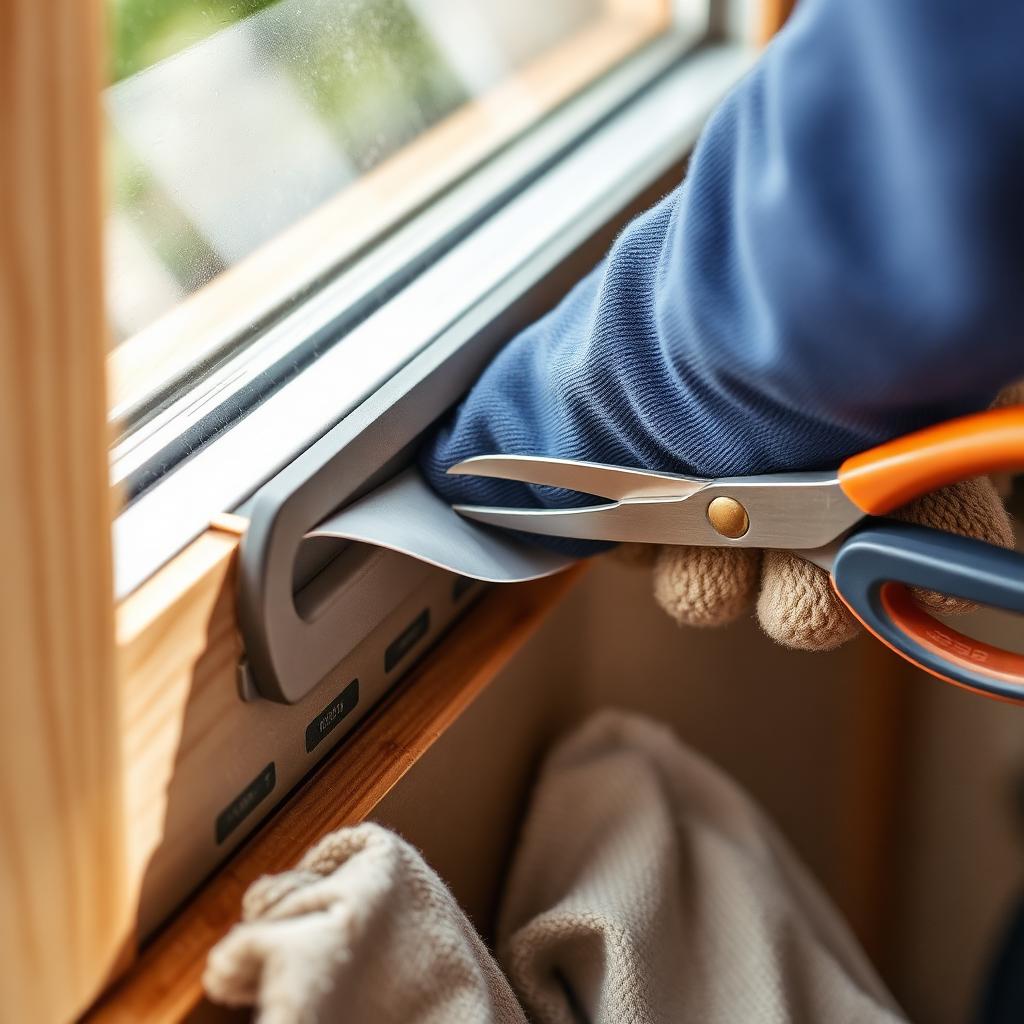
Mouldy or peeling silicone needs to come out completely. Score both edges with a sharp blade, pull out the bead, clean with mineral spirits, then apply fresh mould-resistant silicone in one smooth pass.

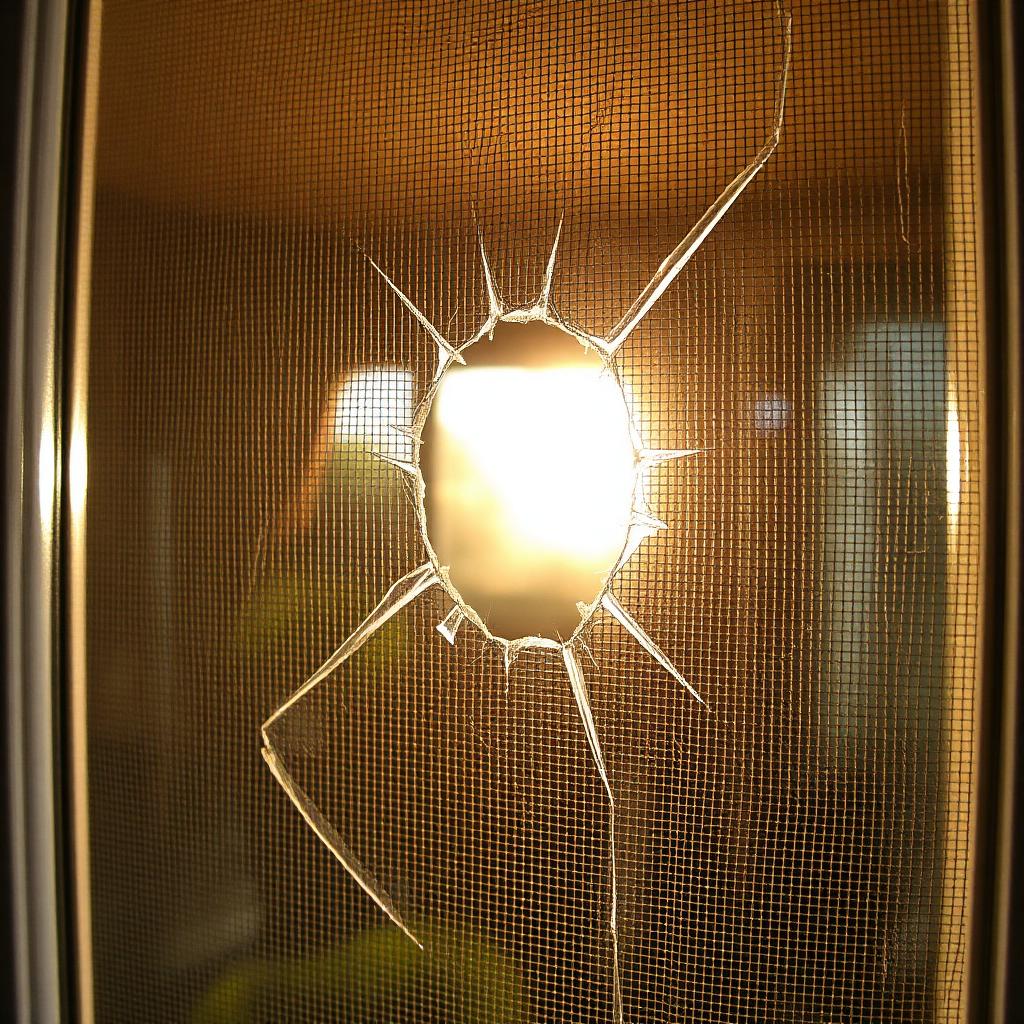
A torn flyscreen is a 20-minute fix. Pull out the old spline cord, lay new mesh over the frame with a 25mm overhang, then roll the spline back into the channel with a screen roller.

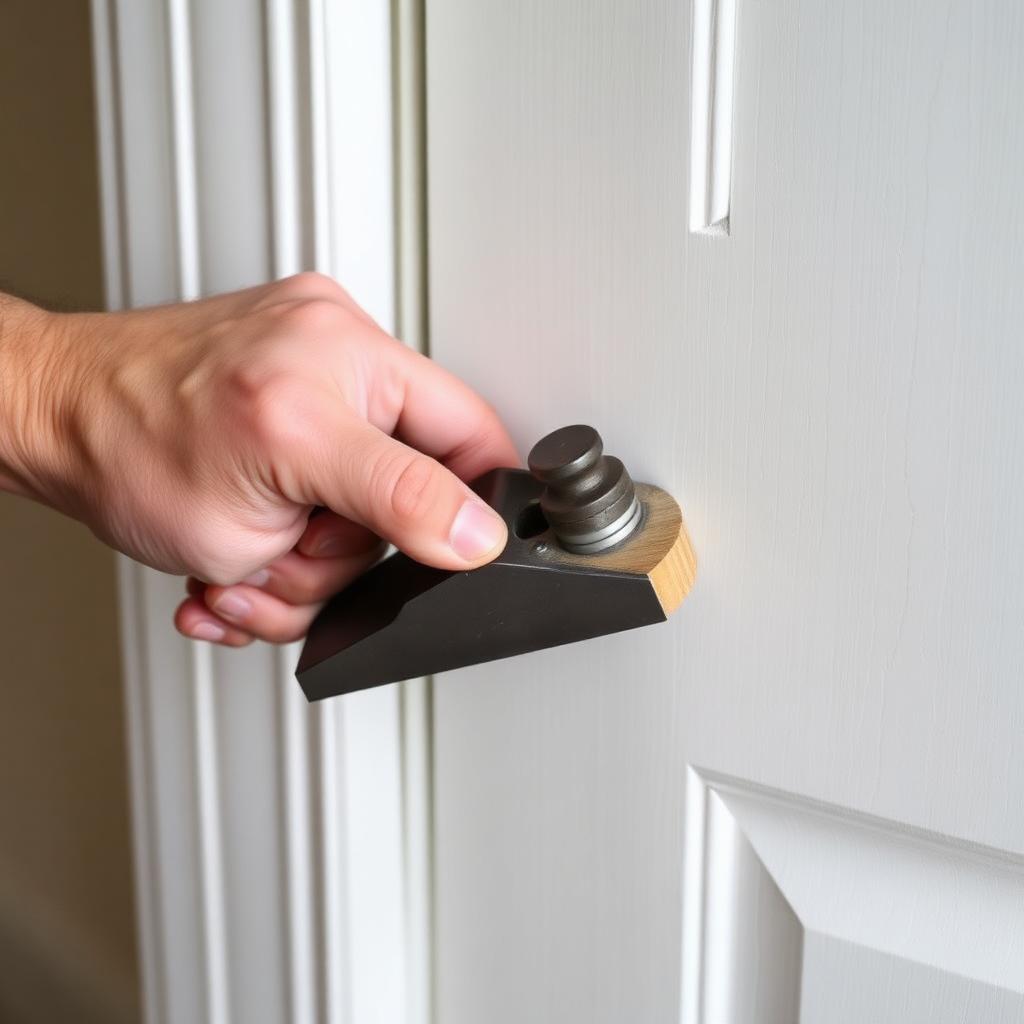
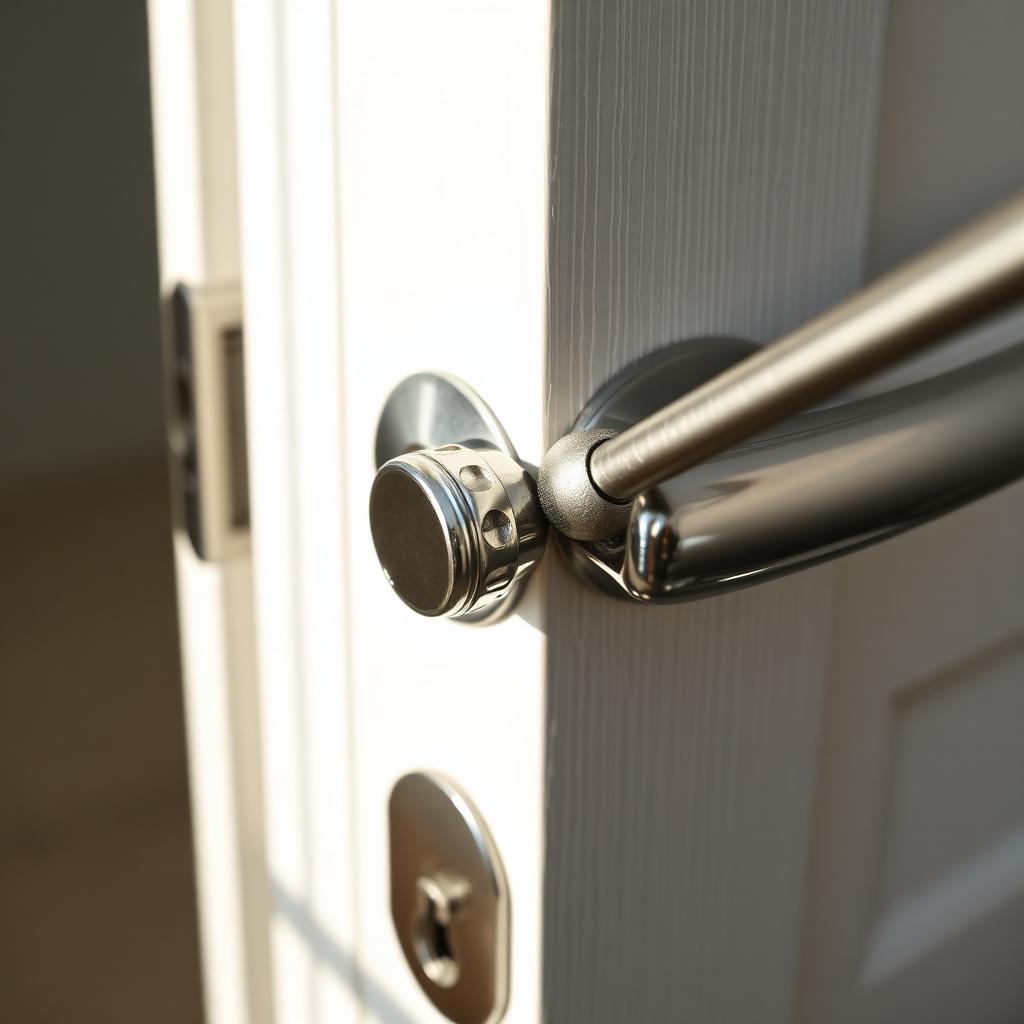
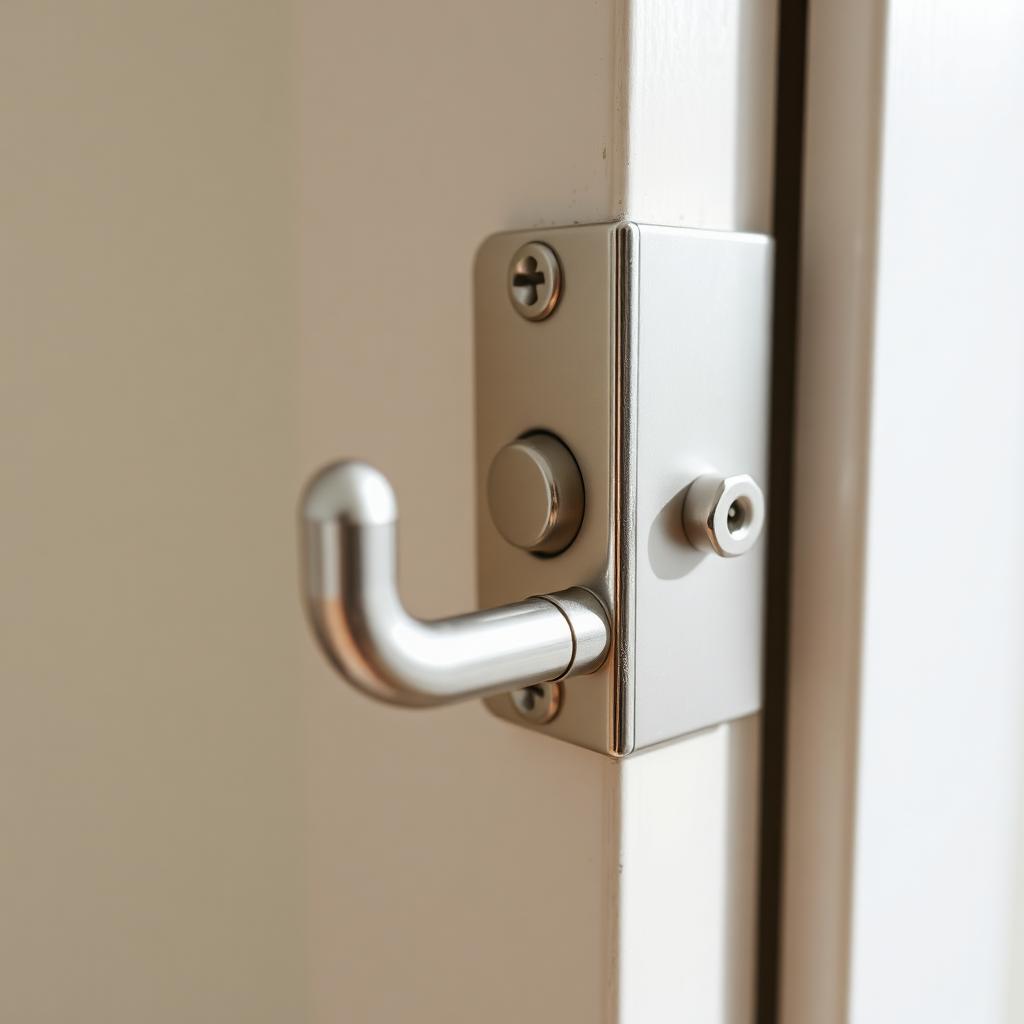
Doors stick from humidity swelling the timber or hinges sagging. Check the hinges first — tightening loose screws often solves it. If the door still binds, mark the rub line with chalk and plane 1-2mm off the edge.

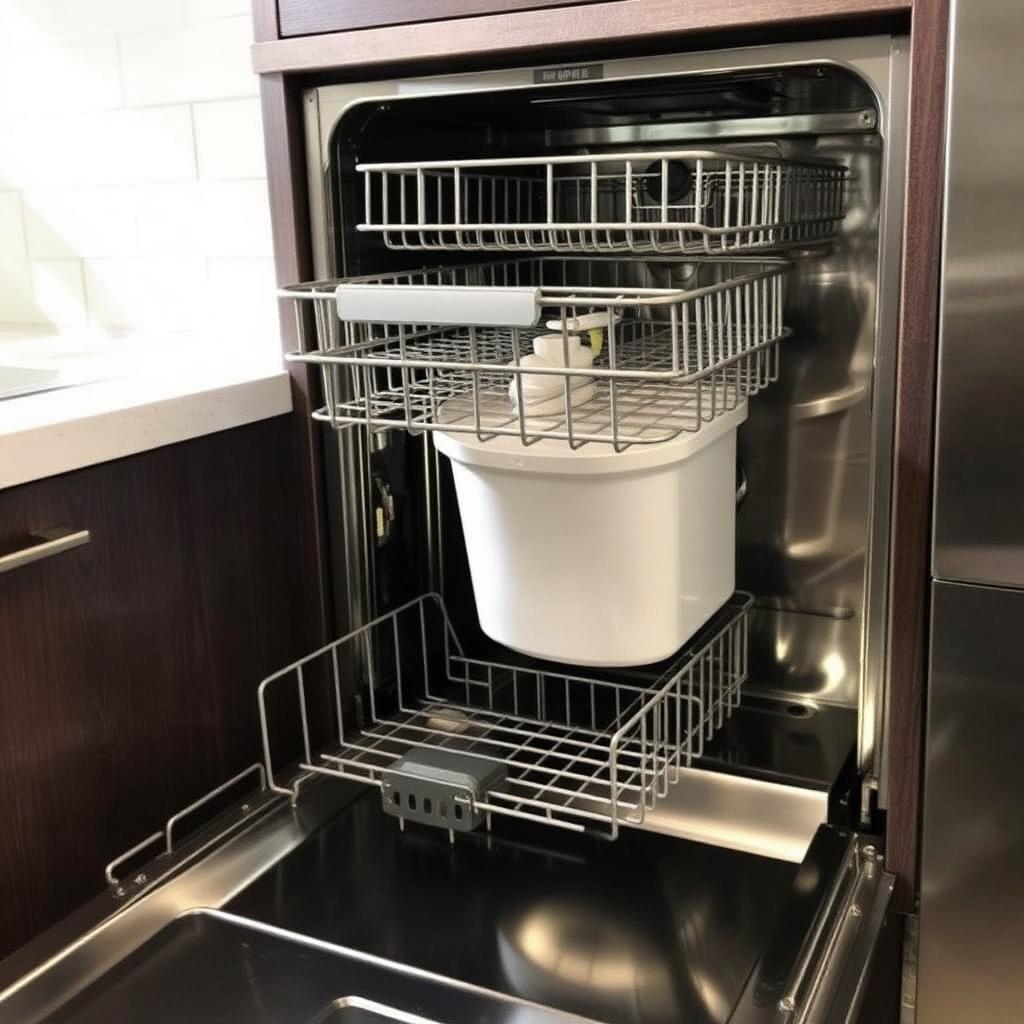
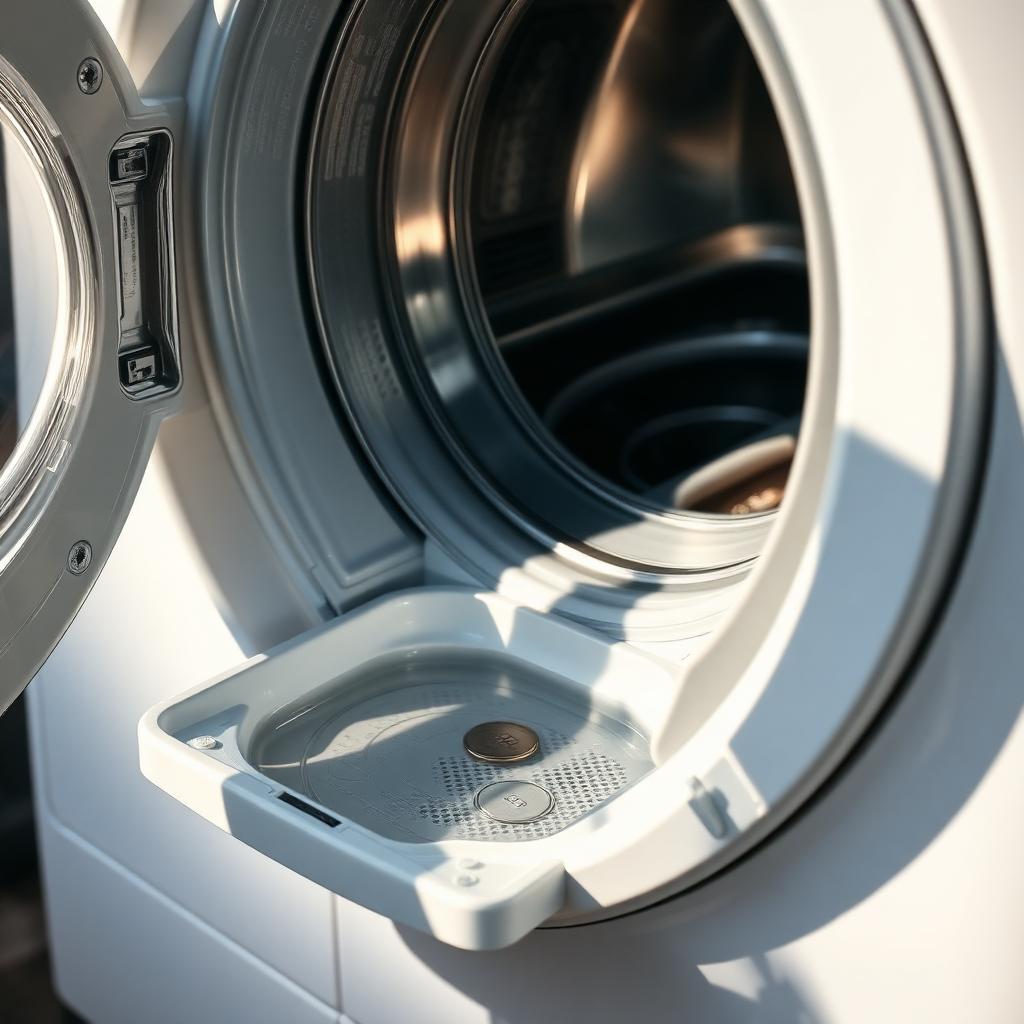
Standing water in the bottom means a clogged filter or kinked drain hose. Pull out the filter at the base of the tub, rinse it under hot water, and check the hose behind the unit for crimps.

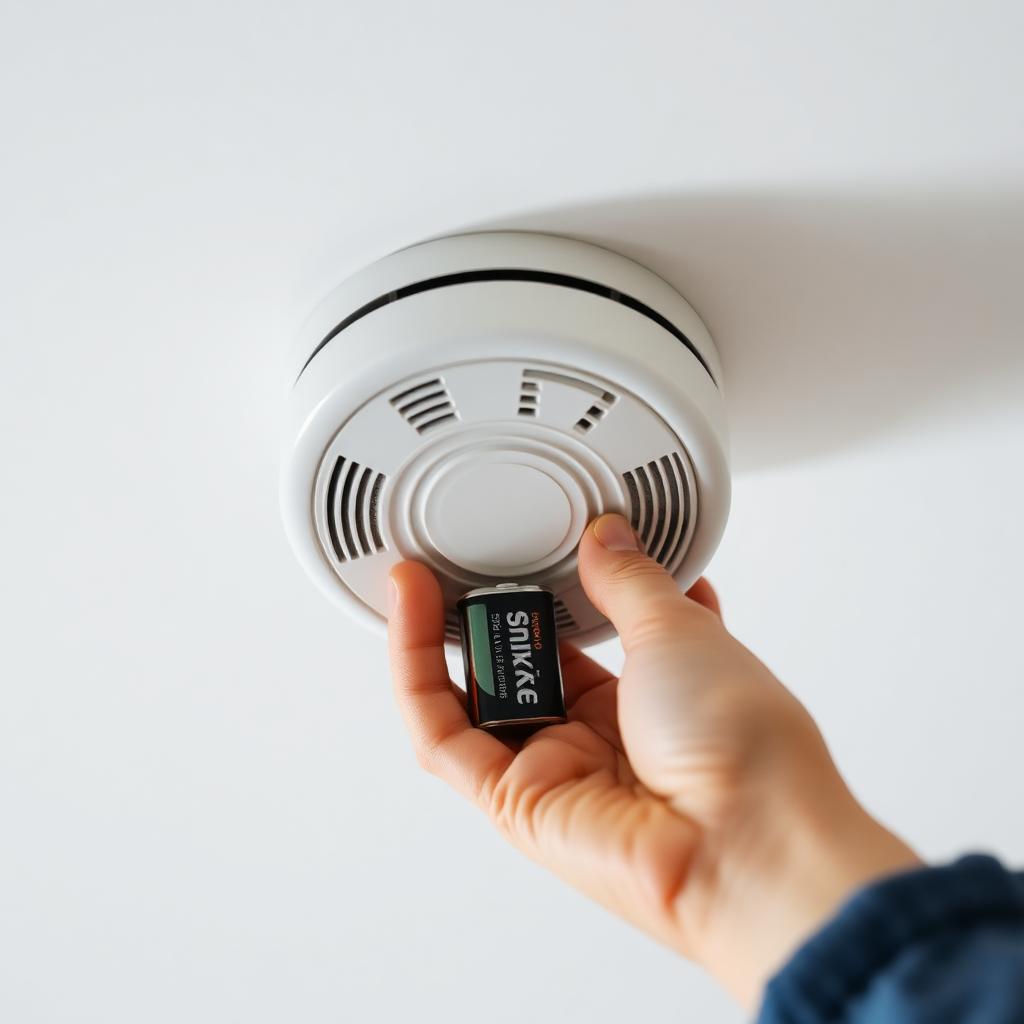
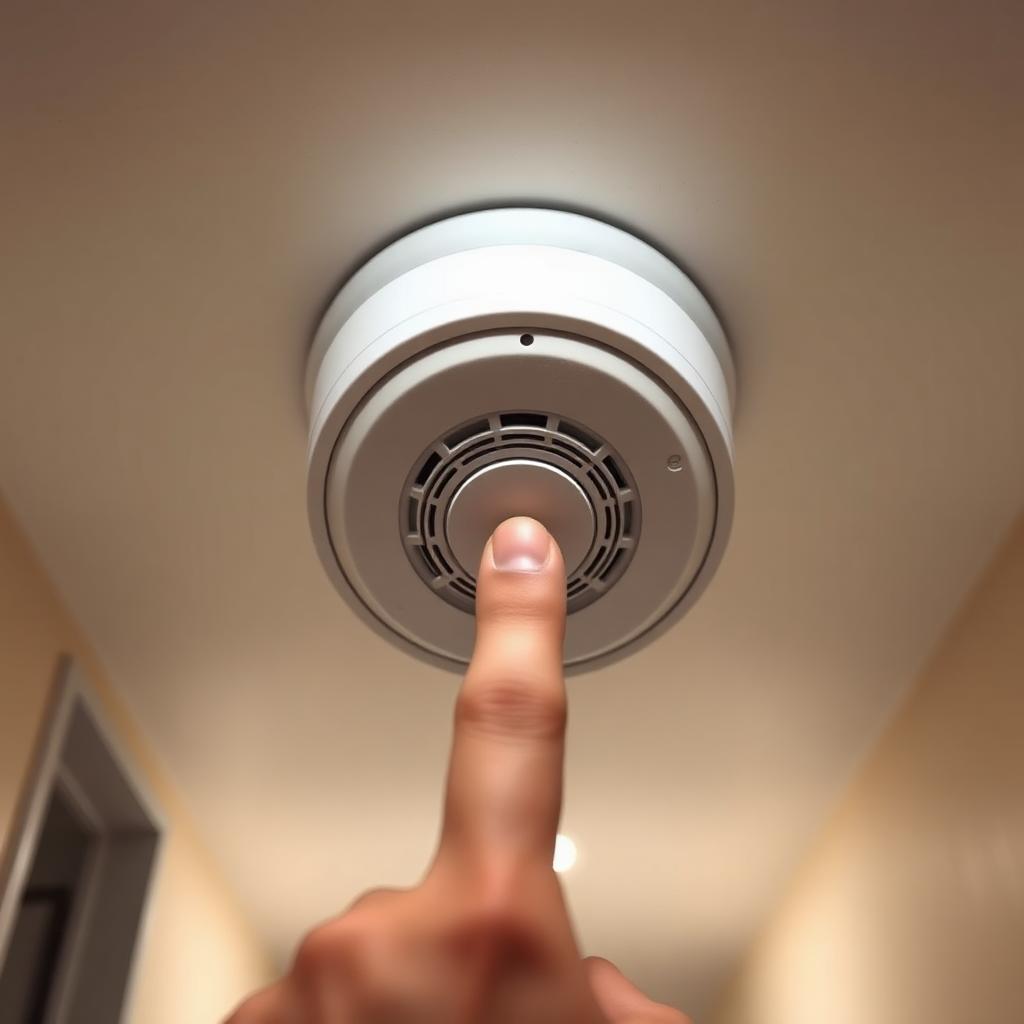
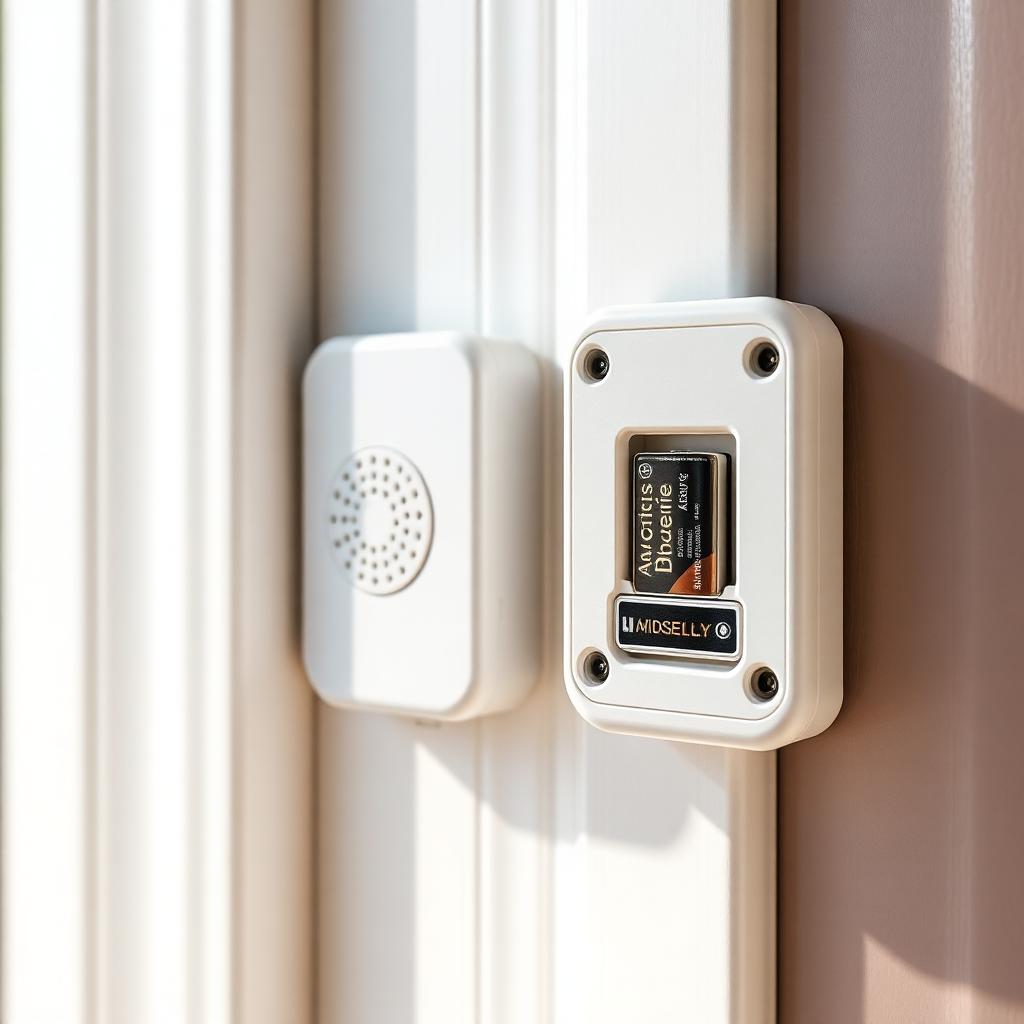
That 3am chirp is a low battery warning. Twist the alarm off its base, swap the 9V battery, and test with the button. Replace the whole unit every 10 years — check the date on the back.

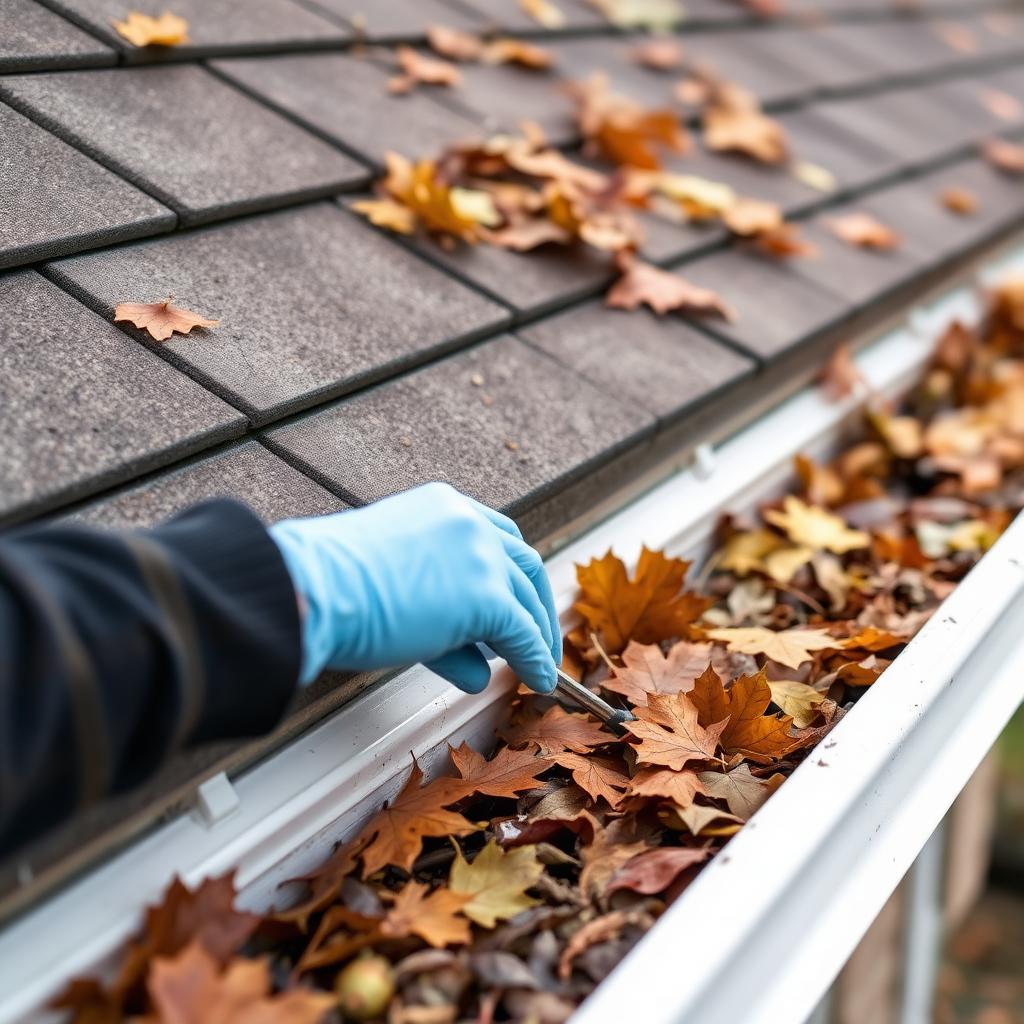
Blocked gutters cause overflow and rot the fascia. Scoop out leaves with a gutter scoop, then flush with a hose. Check that downpipes flow freely — a tennis ball in the outlet shows blockages quickly.

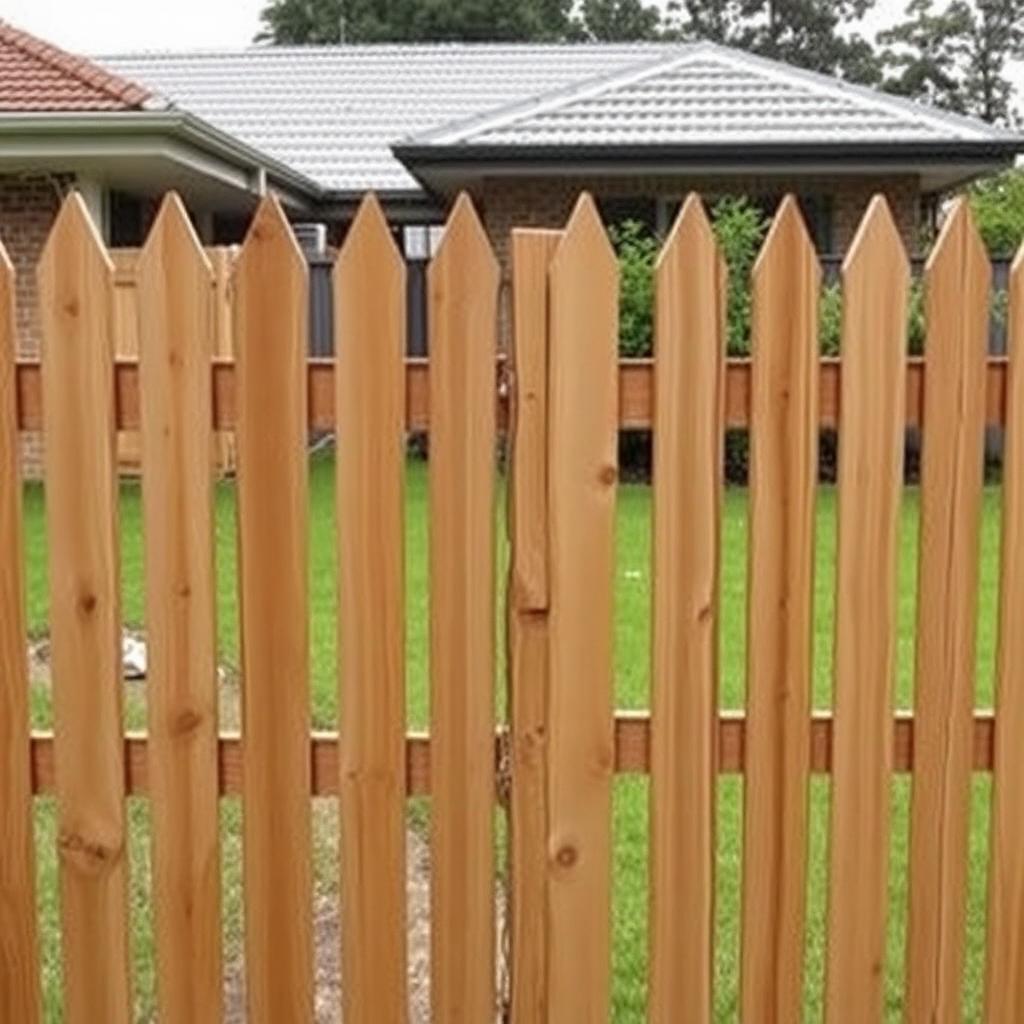
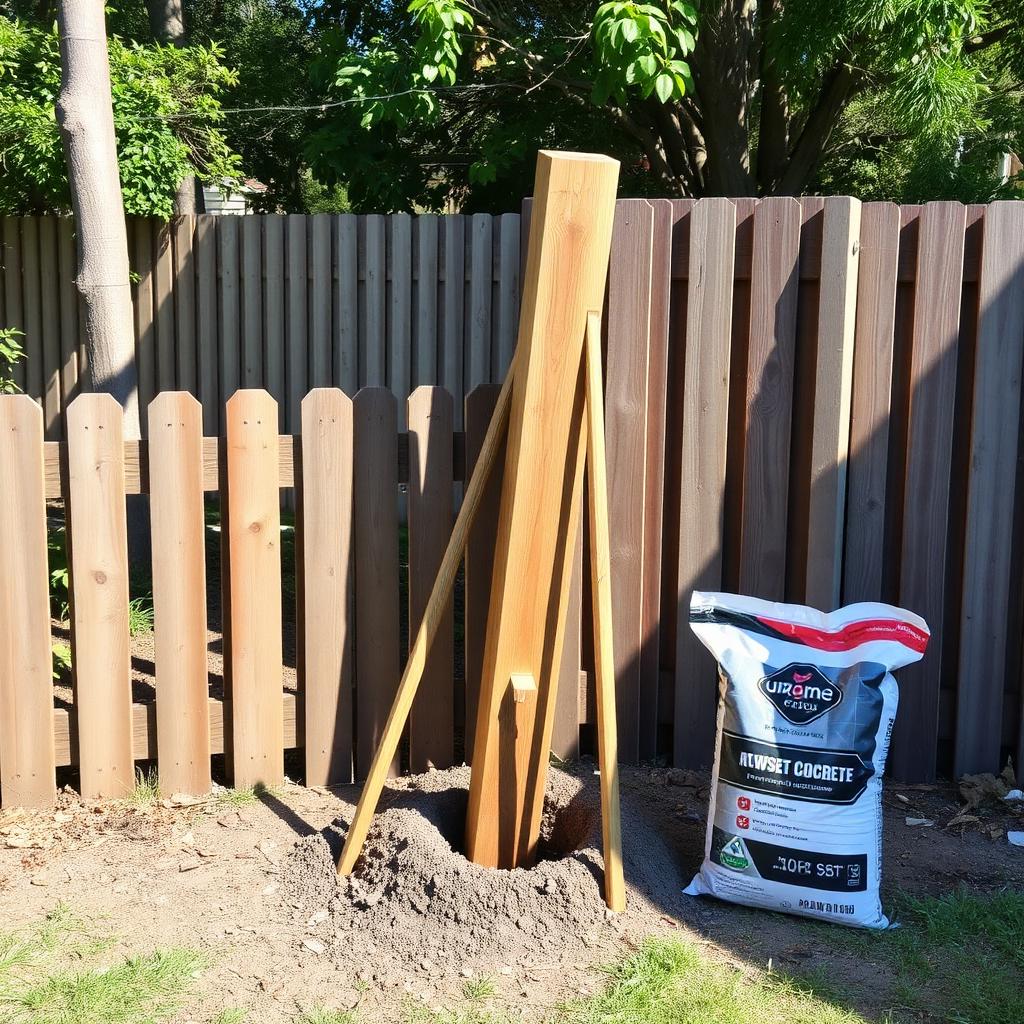
Pull the old paling with a wrecking bar — work the nails out from behind. Cut a treated pine replacement to length, butt it tight against the next board, and nail with two galvanised nails per rail.

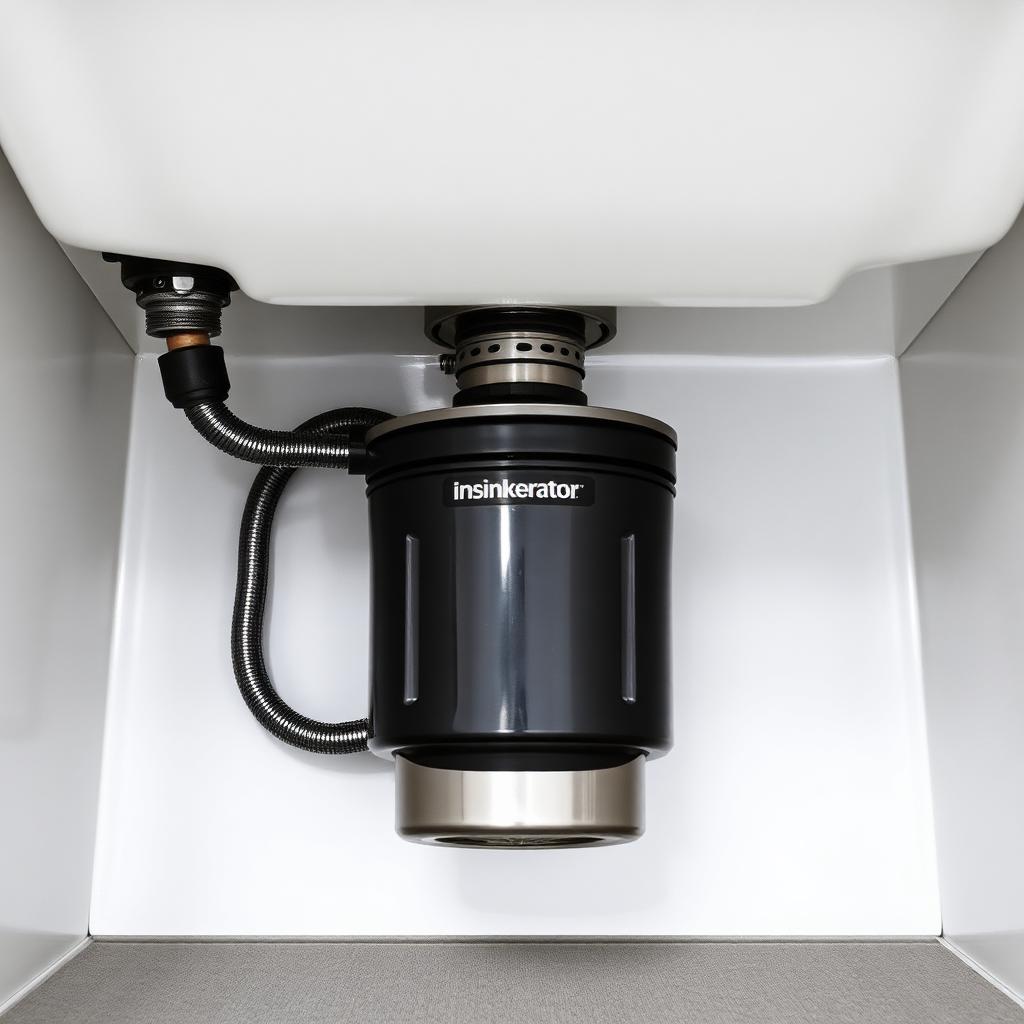
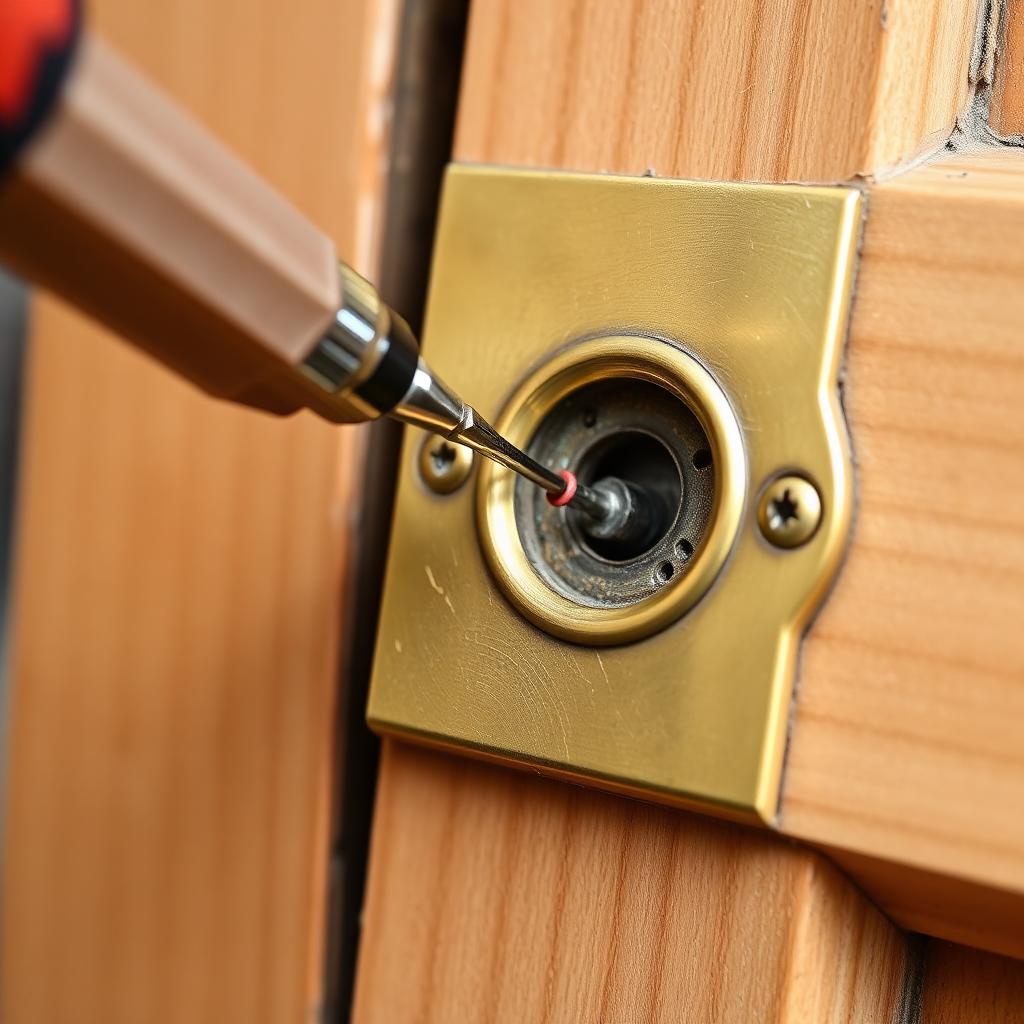
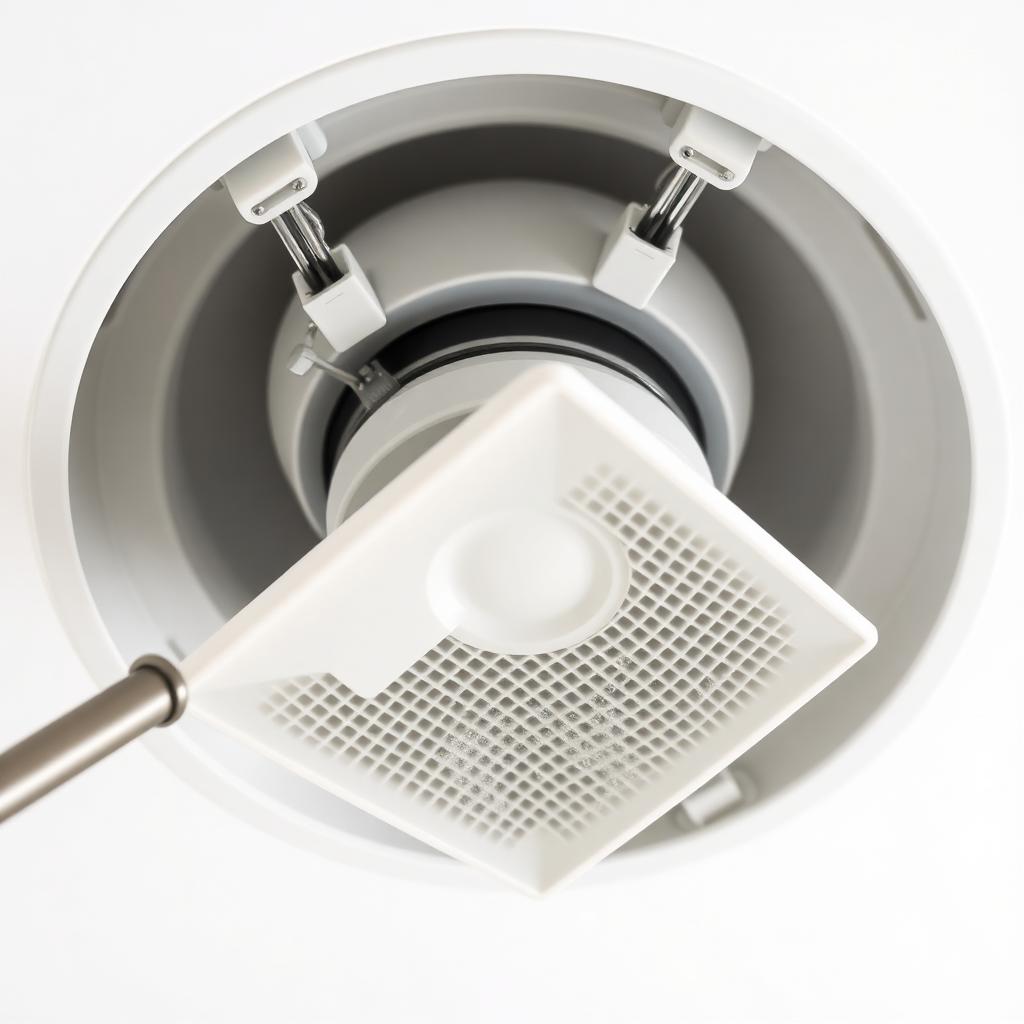
If the unit hums but doesn't spin, something is jamming the impeller. Switch it off at the wall, insert the hex key into the bottom port, and rotate to free the blades. Press the red reset button before retrying.

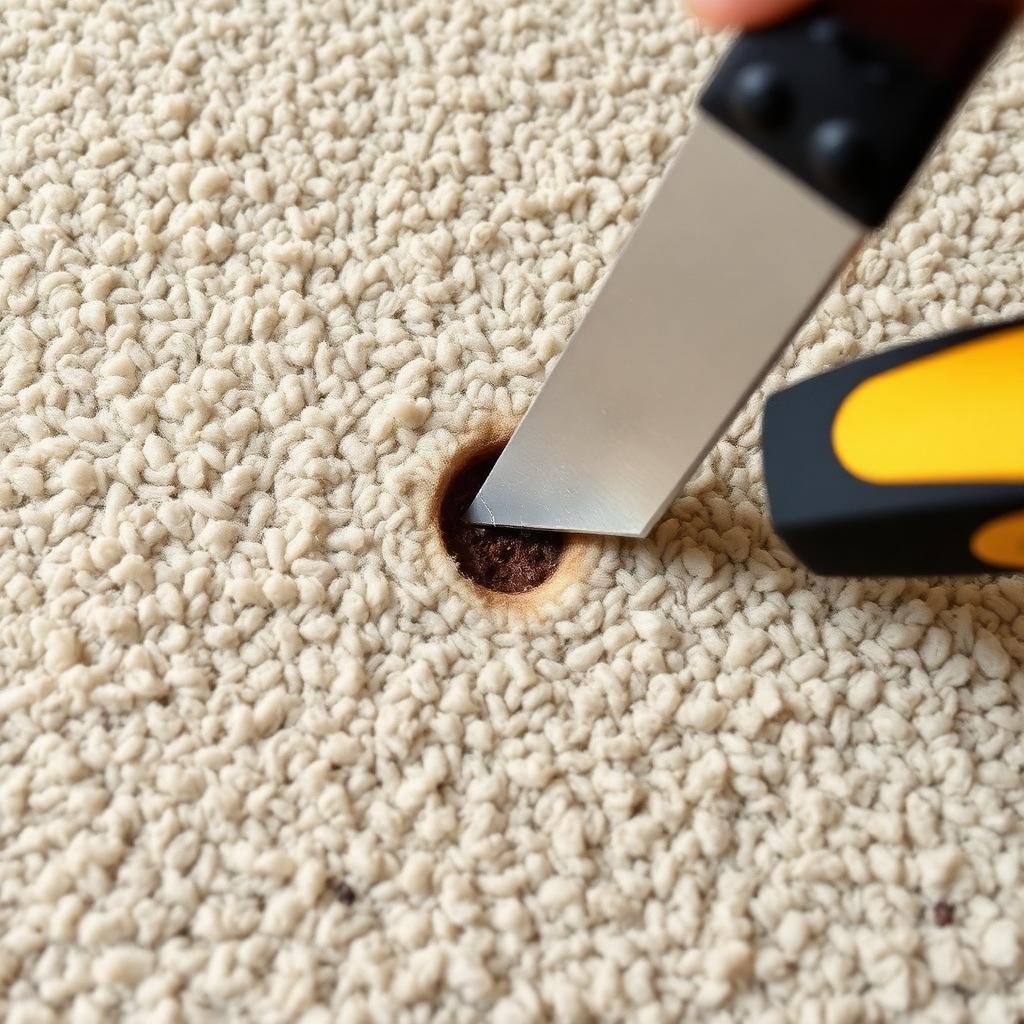
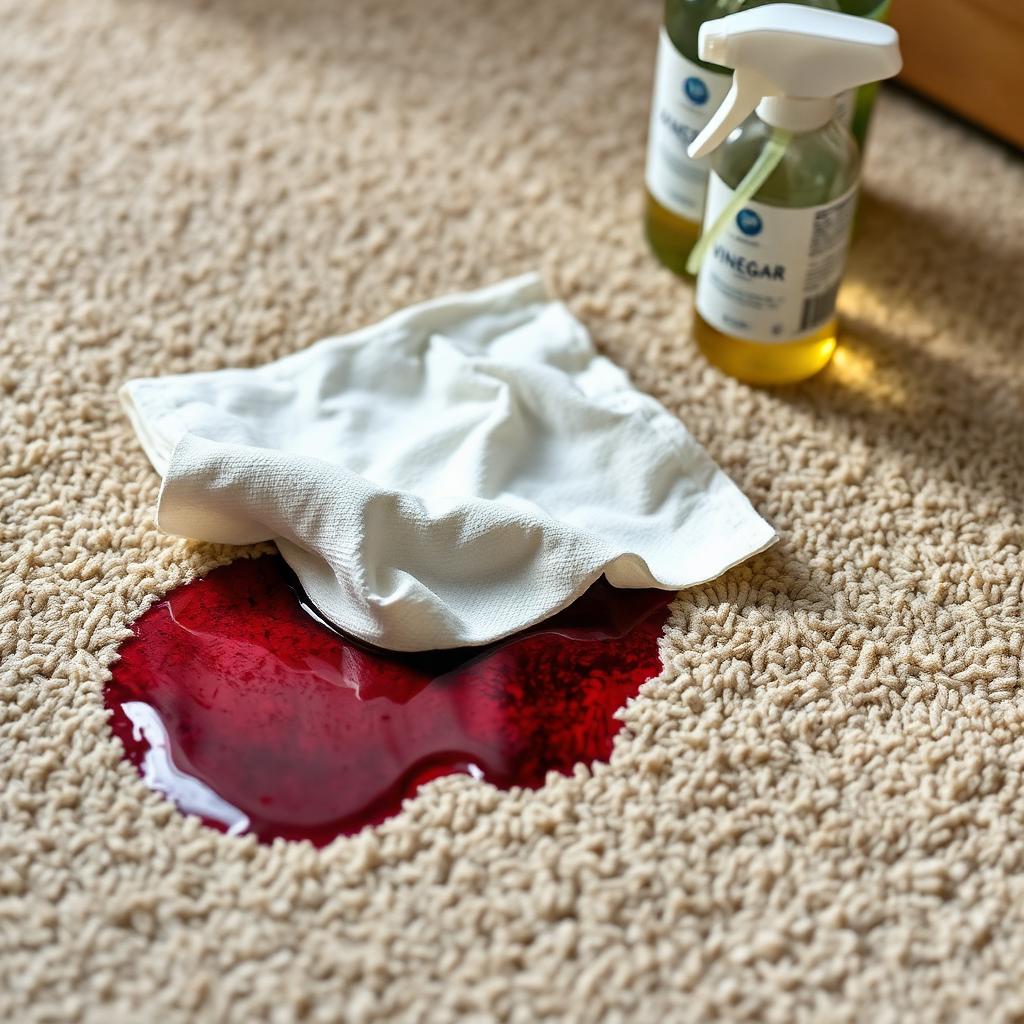
Cut a clean square around the damage with a sharp knife, then take a matching patch from a wardrobe offcut. Apply double-sided carpet tape underneath and press the patch in, aligning the pile direction.

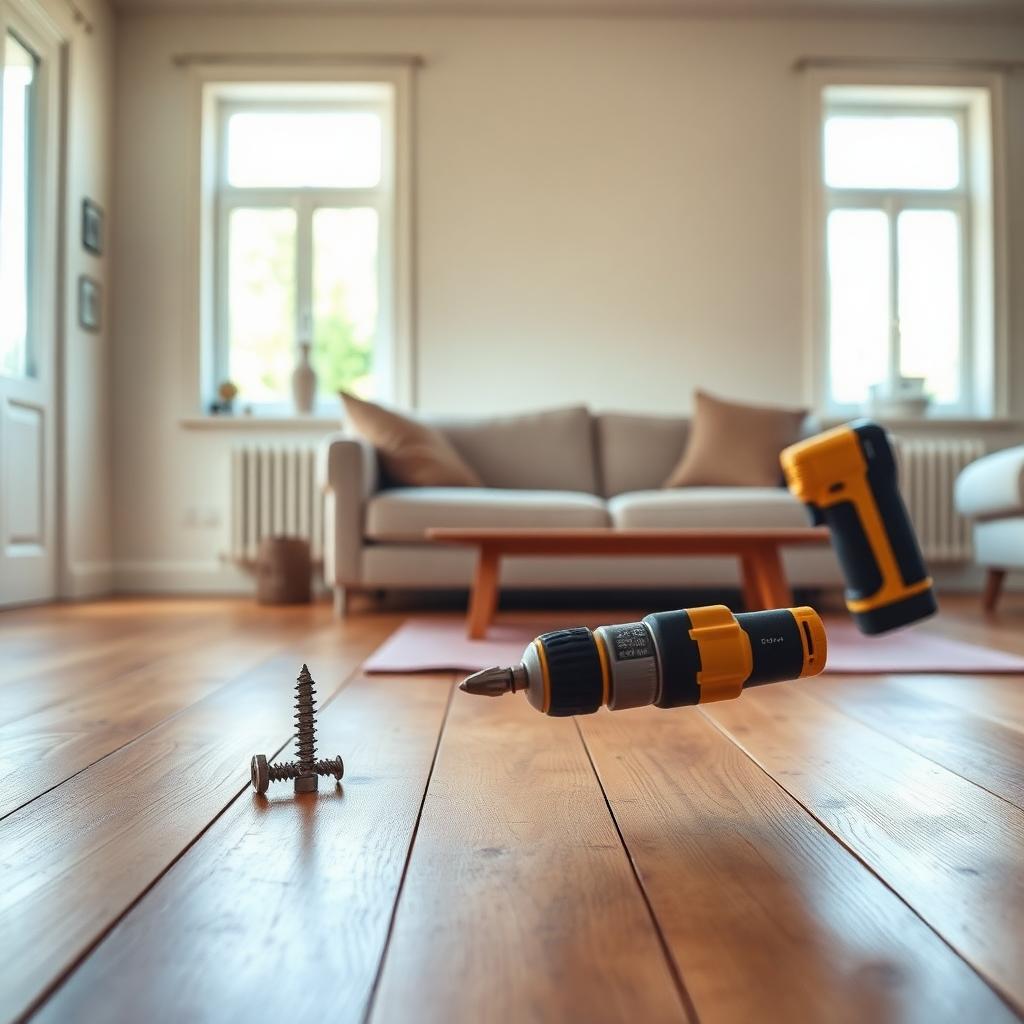
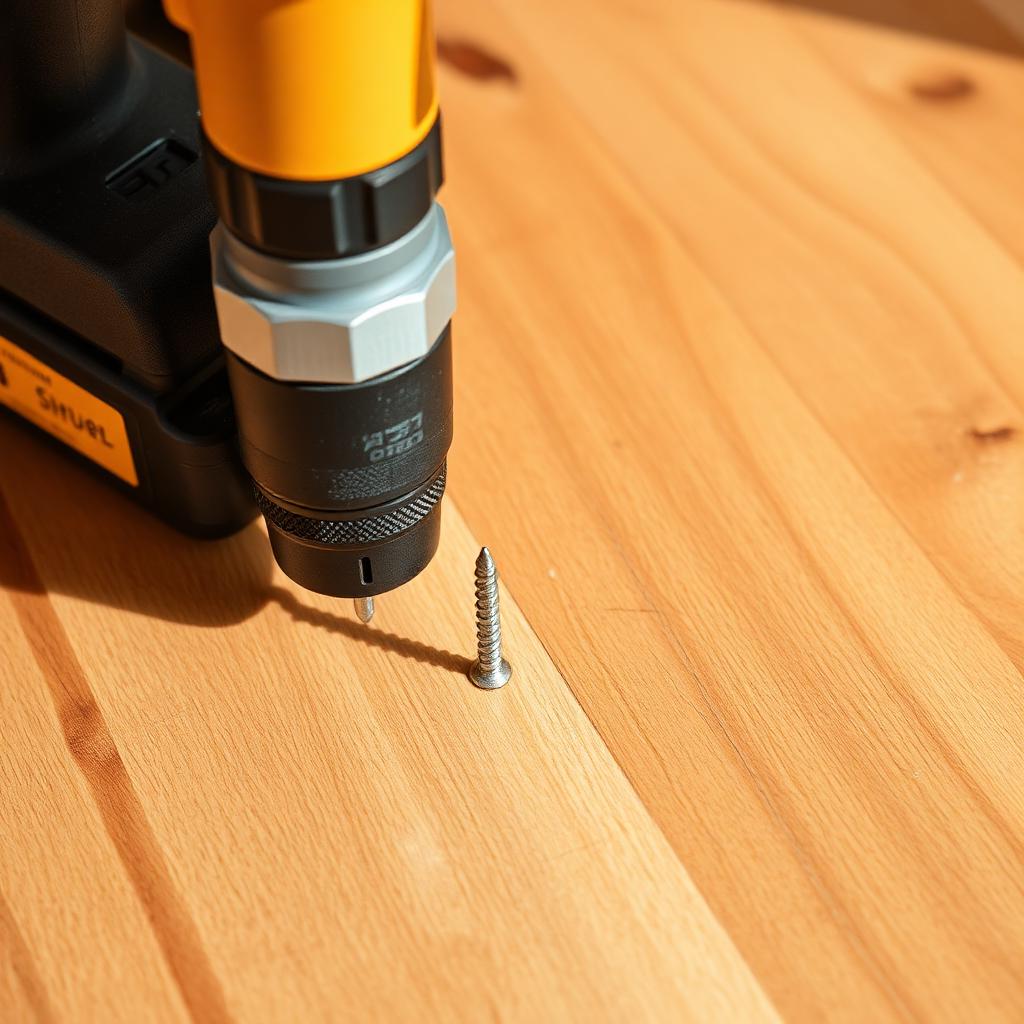
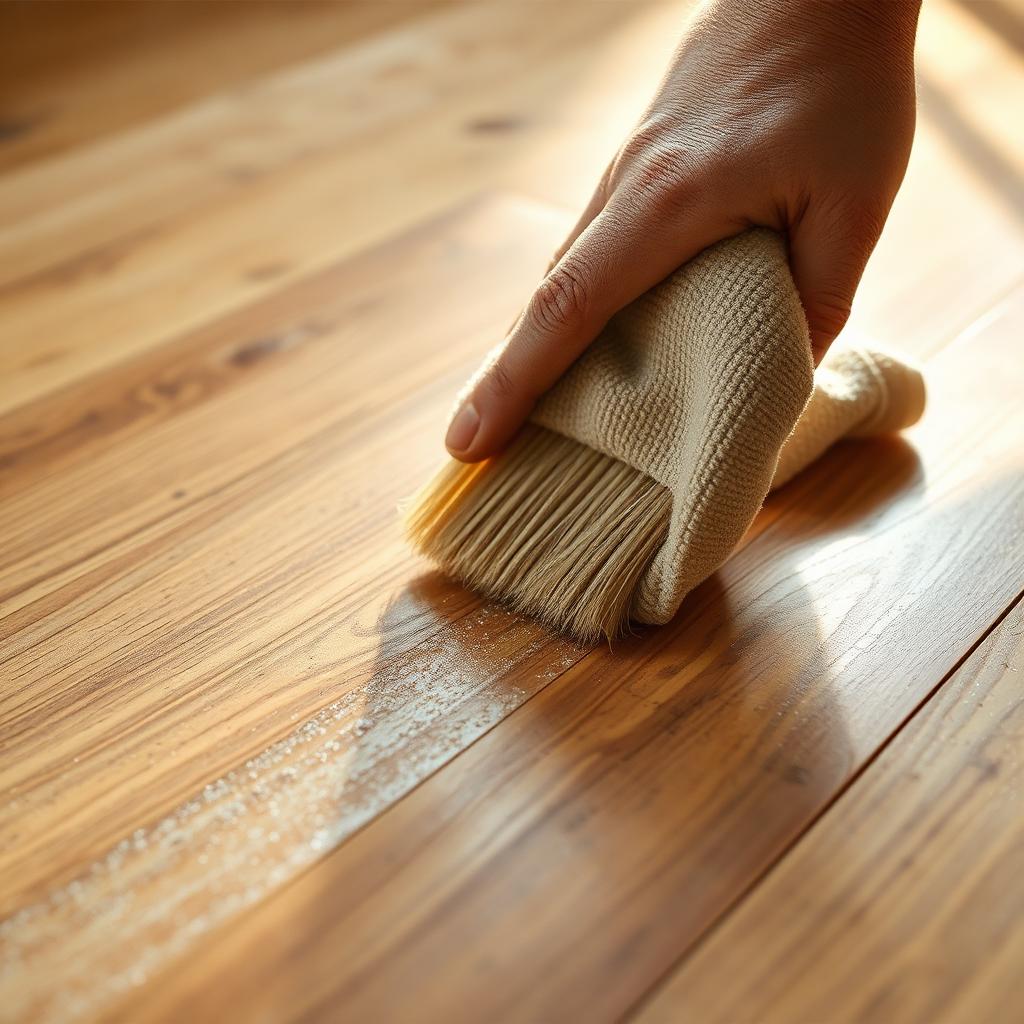
Squeaks come from boards rubbing against joists or each other. From below (subfloor access), screw the board into the joist. From above, drive a finishing screw through the board into the joist and cover the head with matching filler.

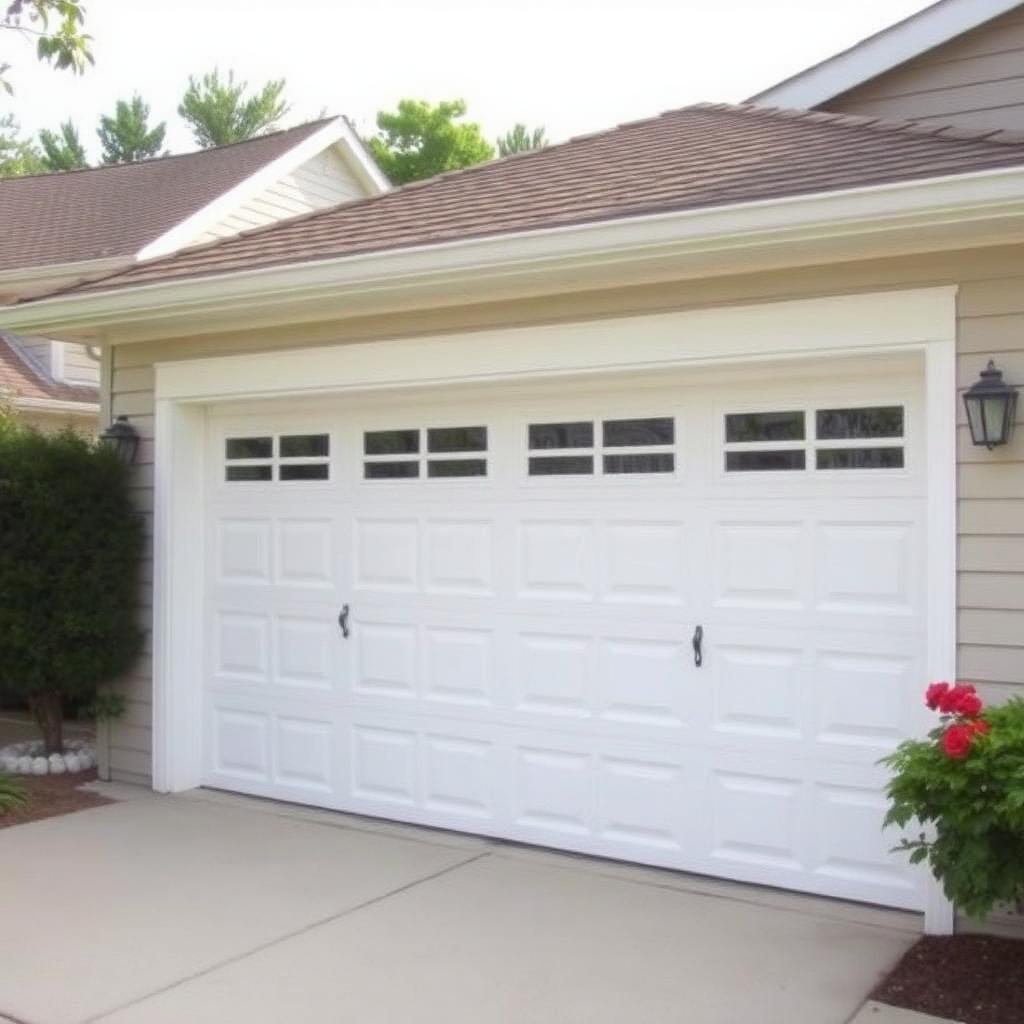
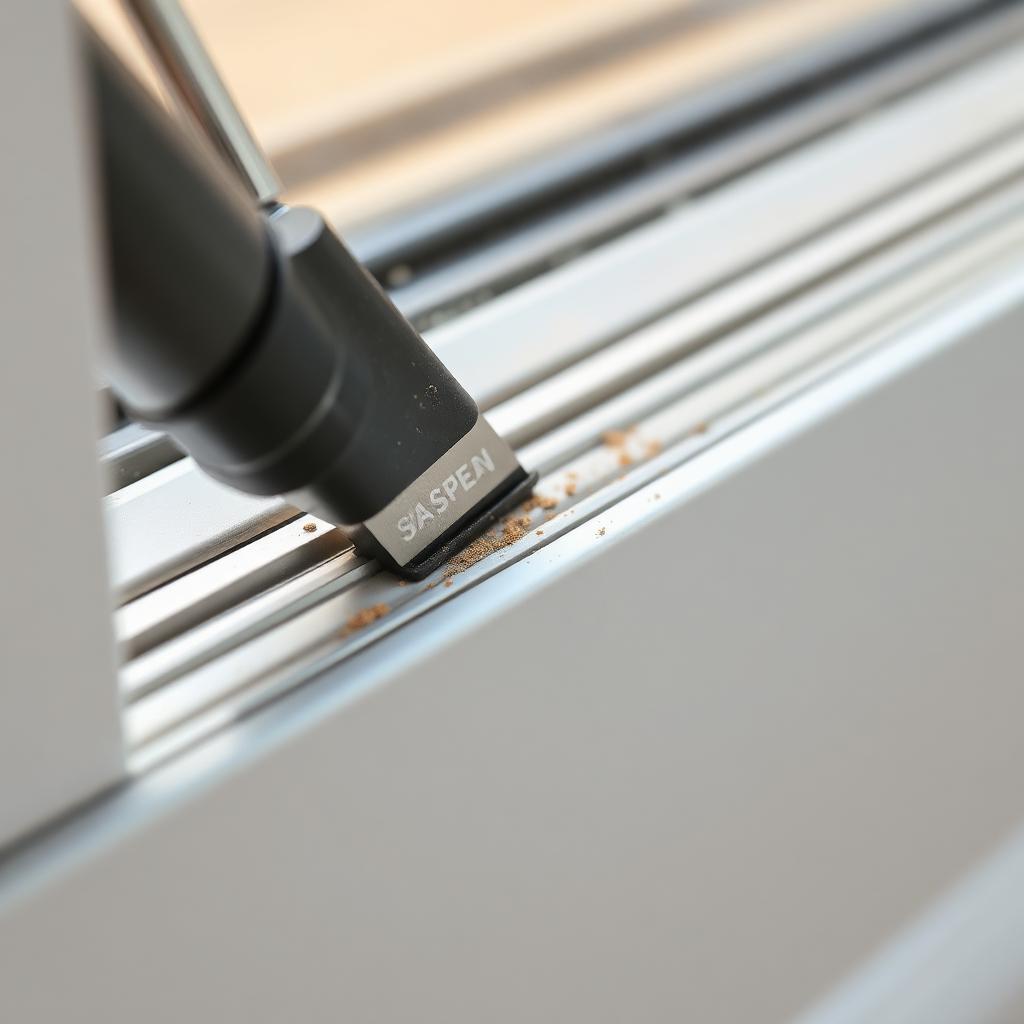
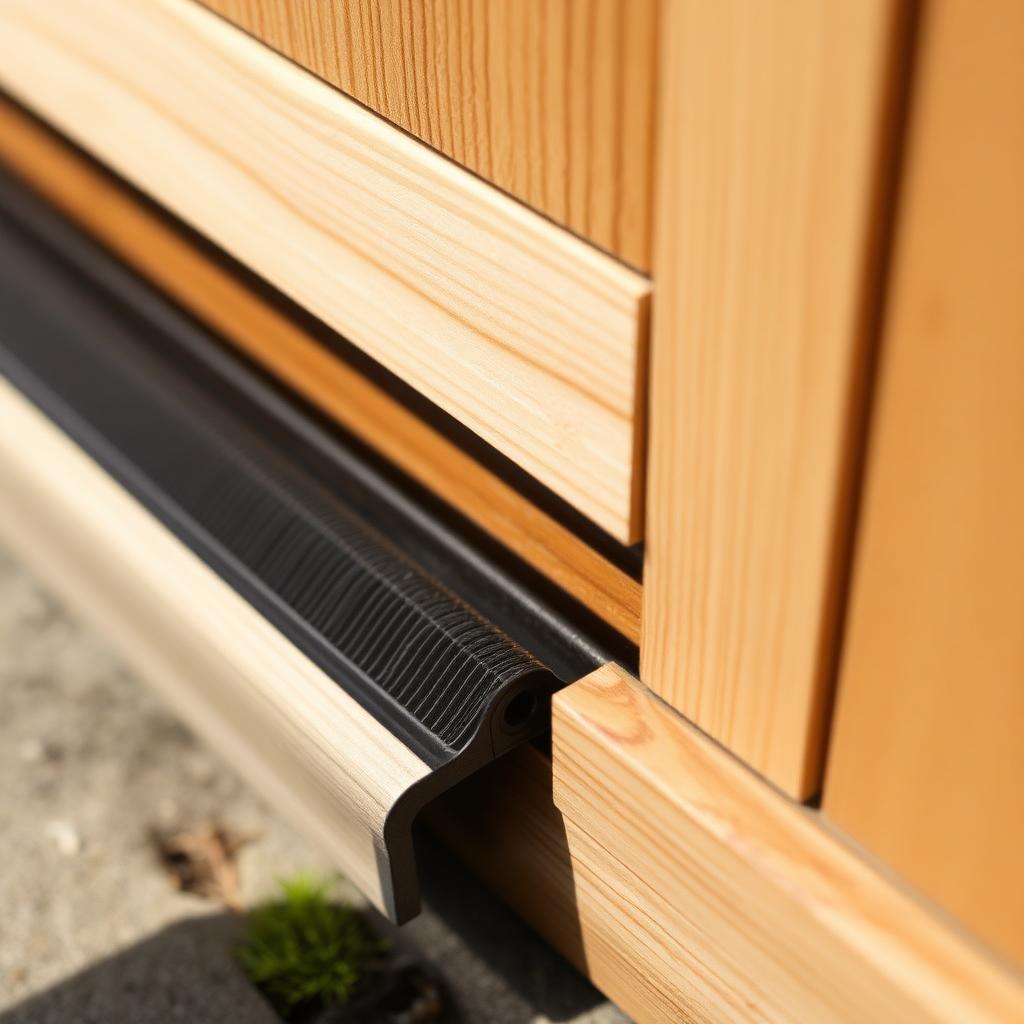
A grinding garage door usually just needs lubrication. Spray silicone or white lithium on the rollers, hinges, and springs — never WD-40, which strips lubricant. Wipe excess and run the door through one cycle.